There are three key moments in the year that help producers strengthen the relationship with their buyers: when the coffee is being prepared to ship, when the buyer starts roasting, and when a new harvest starts.
At Algrano, we see many producers message roasters when samples become available, and then go silent for the rest of the year. This is the case for 70% of the messages sent, with only a handful of producers keeping a sustained year-round presence.
This means the conversation is inevitably more transactional. But, if roasters hear from you regularly, they will be “warmer” by the time your coffees are ready.
Here’s how and why you should reach out to your buyers throughout the year:
When you’re preparing the shipment
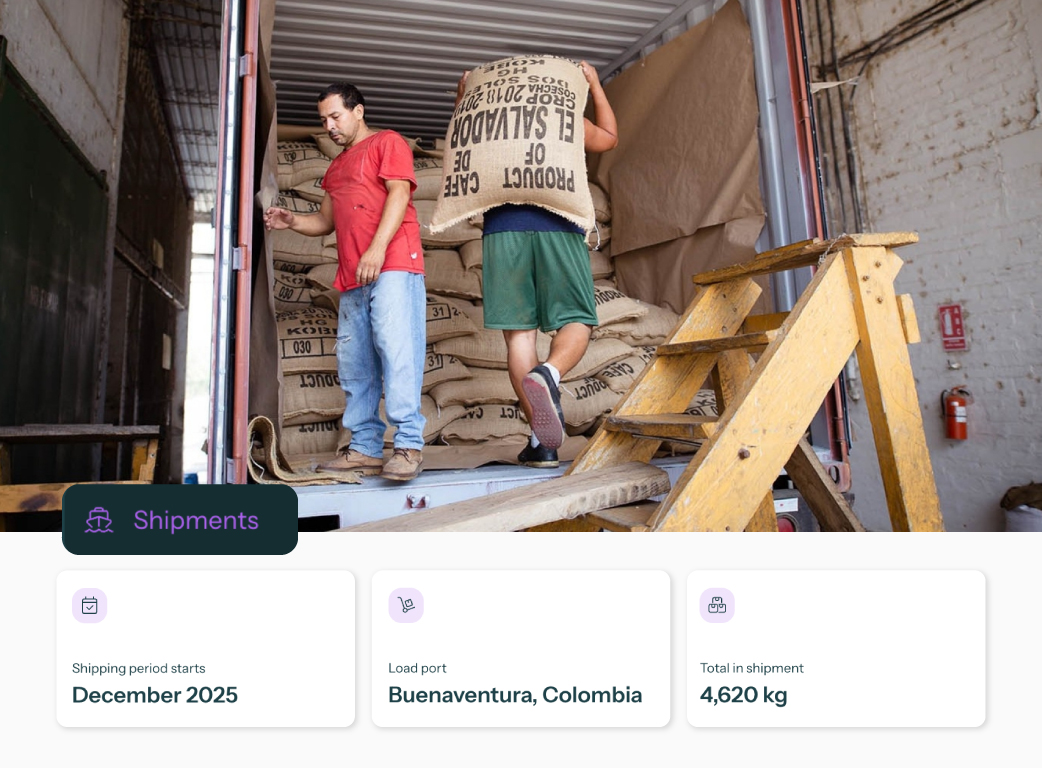
Roasters have seen hundreds of coffee farm photos. But they don’t often see their coffees being bagged and loaded onto the container. And they love those pictures.
Historically, container stuffing pictures have been operational, being added to stuffing reports for the importer’s logistics team. But here you have the actual final product that the roaster will receive, often with their logo printed on the jute sack.
_web.jpg)
For roasters, receiving photos of the container stuffing brings them closer to origin. They can use the images to share their sourcing philosophy. Only roasters engaged in direct trade get photos like these.
You don’t have to send a detailed stuffing update either. Algrano sends roasters weekly shipment updates, so they know where their coffee is until it lands.
When the buyer starts roasting
This is a great moment to get feedback. The roaster is profiling the coffee, doing quality control and serving it to their team and customers, so you can get a lot of information about how the coffee is performing.
How do you know when they release the coffee? Well, whenever a roaster makes the first warehouse release, you receive a notification. So you know exactly when to reach out. You can also find the status of every container on your Shipments tab:
Landed: the coffee is clearing customs and being in-housed. The roaster can’t release it just yet.
At warehouse: the coffee can already be released, unless it needs inter-warehousing.
If the roaster is selling your coffee as a single origin, they will also need pictures and information to launch a new product. By reaching out with marketing material, you’re providing great customer service.
When the new harvest starts
Here is when you start building interest. And because you’re harvesting, you can do this in a very natural way, without being pushy or asking them to buy something.
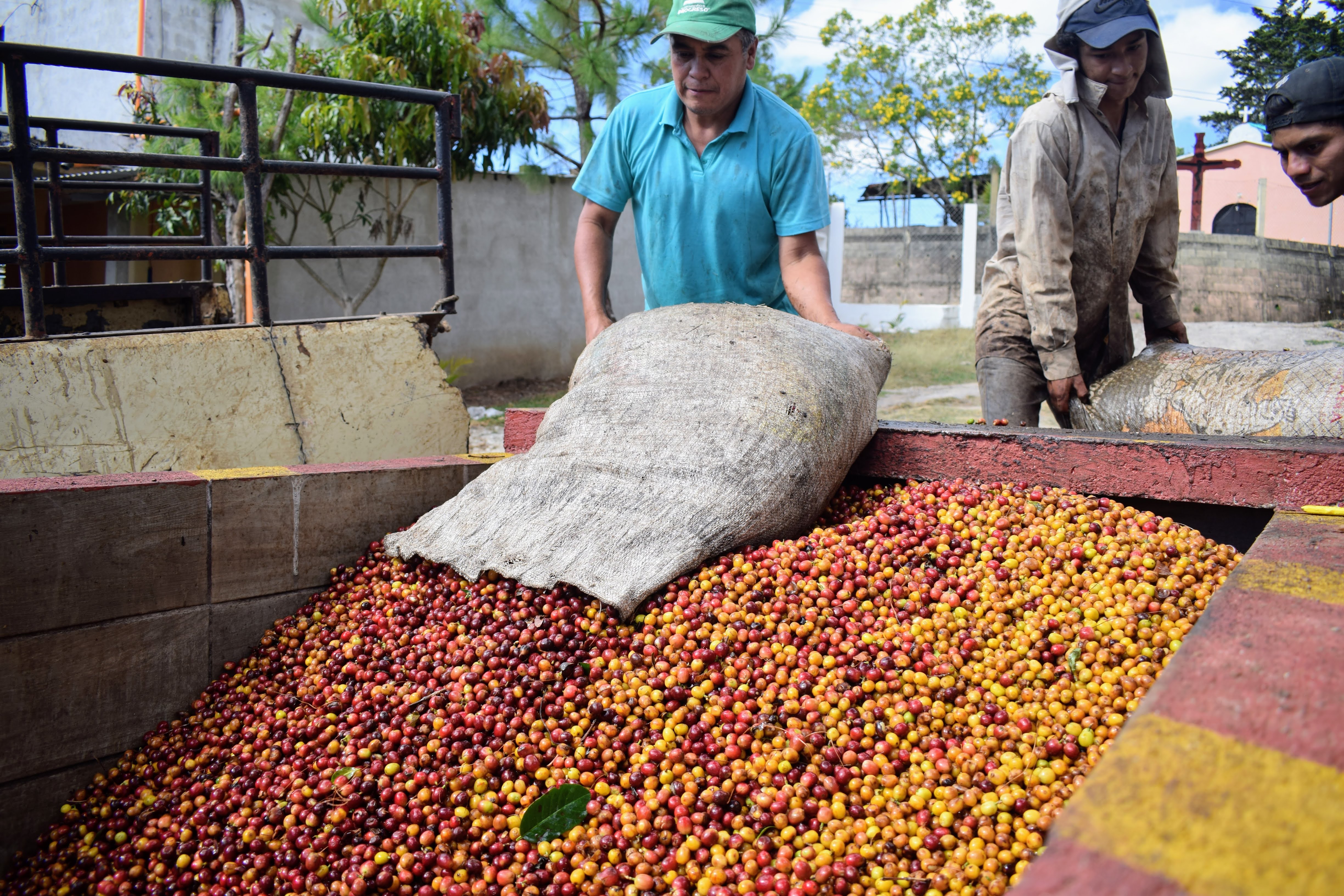
Simply share pictures of the farm(s), with the coffee being picked and processed, plus a brief harvest update. What is your production volume looking like for the year? What’s happening on the local market that roasters should know? How’s the weather this season?
While large roasters want to know about the market, roasters who buy micro-lots want to know about the weather and conditions for processing, as this affects quality.
Let’s say the local market is very competitive and you’re having to pay more for cherry or parchment. If this is going to impact your FOB price, it’s good to give buyers a heads up.
If you have accounts who buy half full or full containers, it’s also time to check if they want to pre-contract the coffee. This helps your production planning and gives you early access to pre-financing with Algrano.
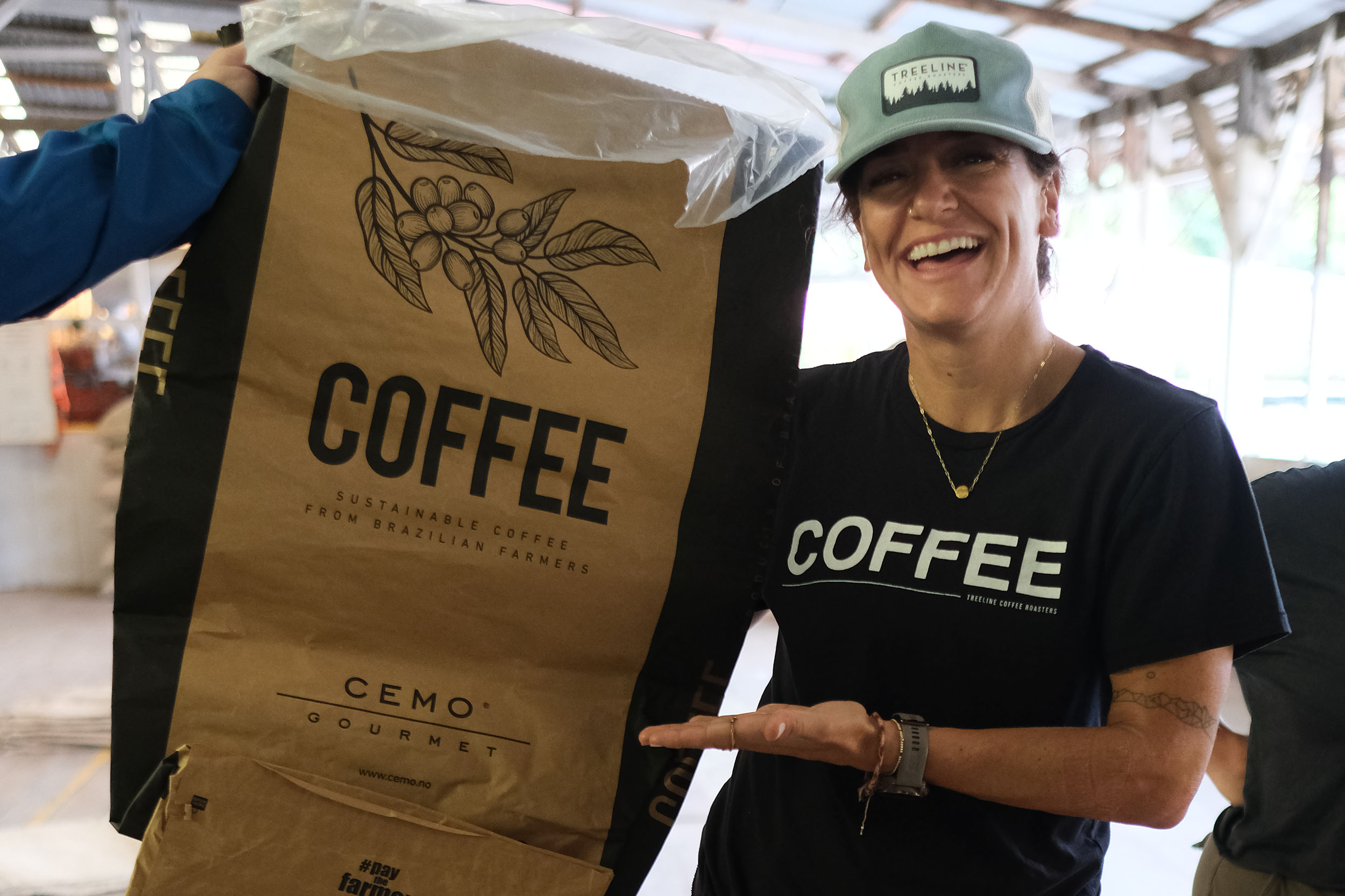
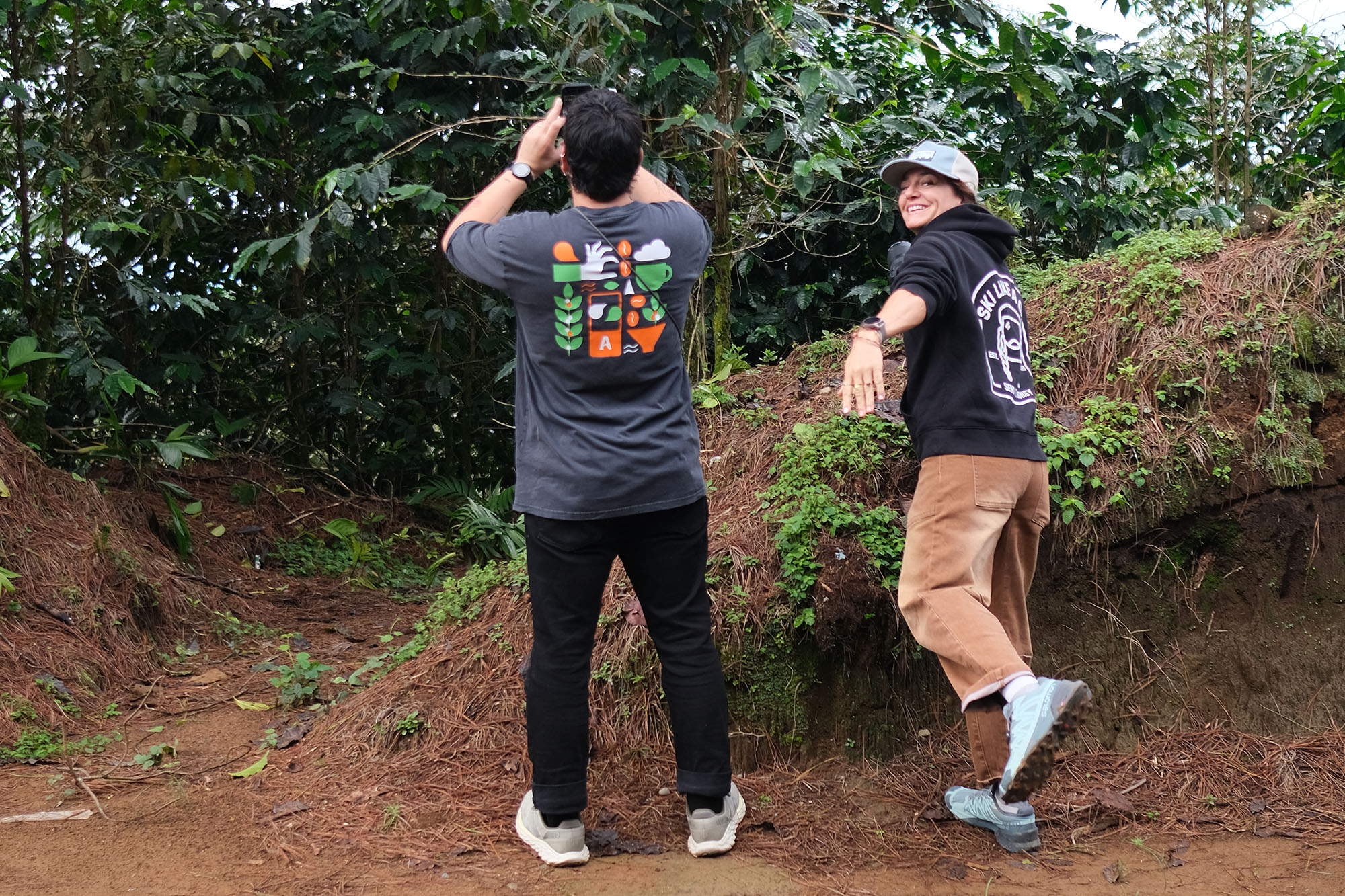
By adding more touch-points to your roaster communication, you build stronger relationships and improve retention. New opportunities might arise from this, like planning a roaster visit or an in-person meeting at international events.
Ultimately, it makes your sales more predictable, which is great for operations. A good sales forecast allows you to plan your buying and financing needs.