.avif)
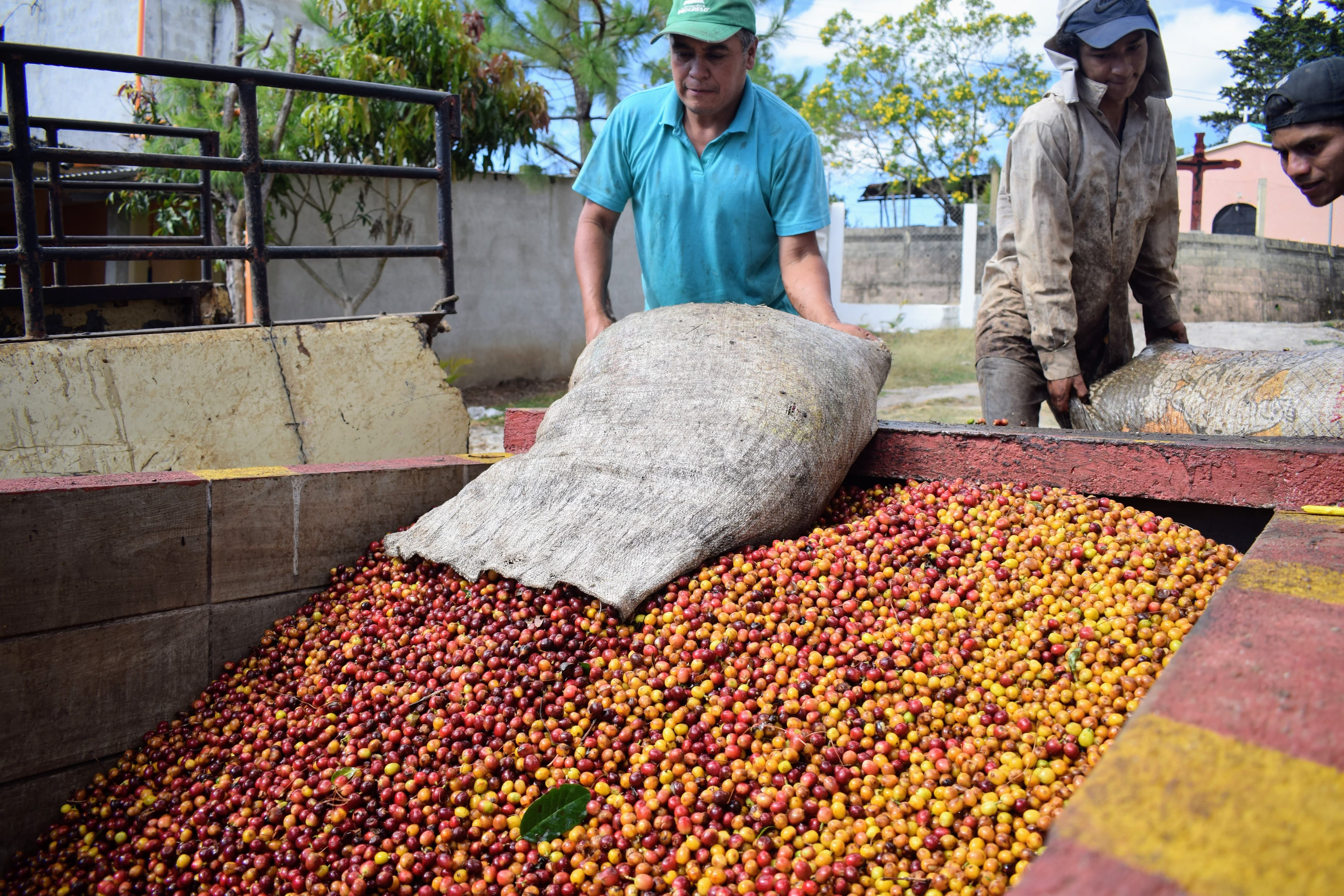
Photo on top: Natural processing at one of our stations in Guji Hambella (Guji, Ethiopia); Heirloom (“Herloom”) coffee drying on raised beds under shade netting. Source:
Sweet Plus Trading.
1. What to know
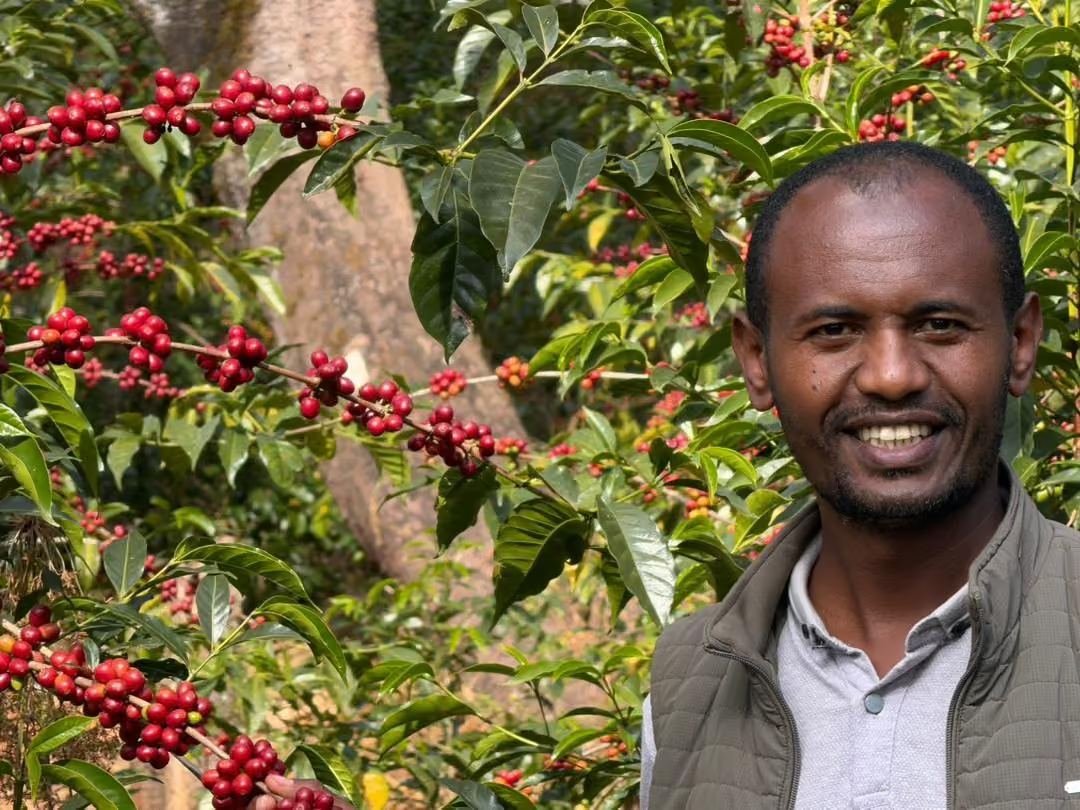
“The harvest is very good… The only problem is the internal market.” Fitsum Bekere, Sweet Plus Trading
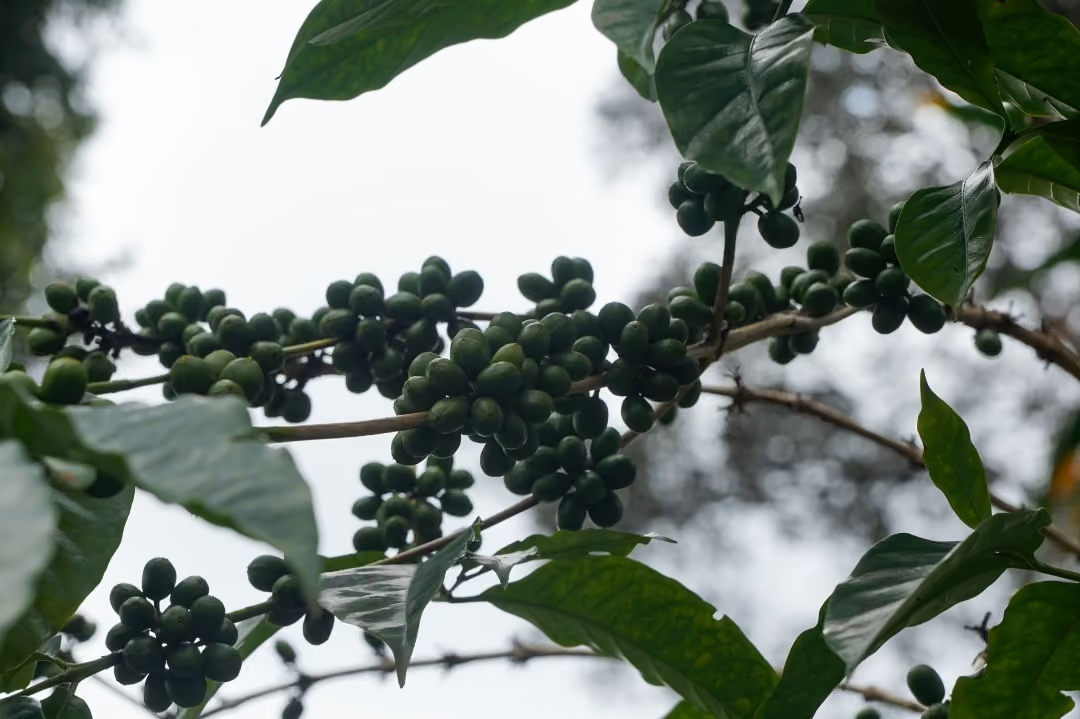
Exporters report a high-stakes market where cherry prices have tripled, peaking at $1.51 USD/kg (up from $0.45 last season). This has shifted the mood from cautious to 'gambling’.
USDA also notes that Ethiopia’s domestic market often competes with exports for high-quality coffee, which can put upward pressure on local prices. Takele Mammo, on the other hand, links that jump to competition for cherry:
“There is more money than coffee.” Takele Mammo - Konga Trading.
At these price levels, holding stock becomes riskier, which means more coffee is bought and prepared against confirmed demand, and less is carried “just in case”.
Buying fresh cherries for washing stations requires massive upfront capital. With prices at record highs, many producers are opting for home-drying (naturals) to avoid immediate processing costs. Expect a surplus of naturals and a shortage of specialty washed lots.
2. What this means for your budget
Because the raw fruit is expensive, the final export price, known as FOB (Free On Board), has to rise. In that market, competition for cherry intensifies, and exporters become more cautious about carrying stock.
Several interviewees also describe a “hold and wait” mood.
“It’s not only devaluation, it’s speculation.” Erkabose W. Giorgis - Yirgacheffe Union.
“This is speculation… Like gambling.” Fitsum Bekere - Sweet Plus Trading.
The practical effect is timing: when more coffee is held back, lots can be released later and less predictably.
For roasters, this means pricing conversations will start at a higher baseline. Mammo notes that for organic certified lots, opening offers are shifting significantly:
"I’d offer around $5.60/lb FOB (vs ~$4.66/lb last year)." Takele Mammo - Konga Trading.
These are not national benchmarks; they reflect specific supply chains and profiles, but together they point in the same direction: higher cherry prices are lifting FOB expectations.
3. Supply and timing
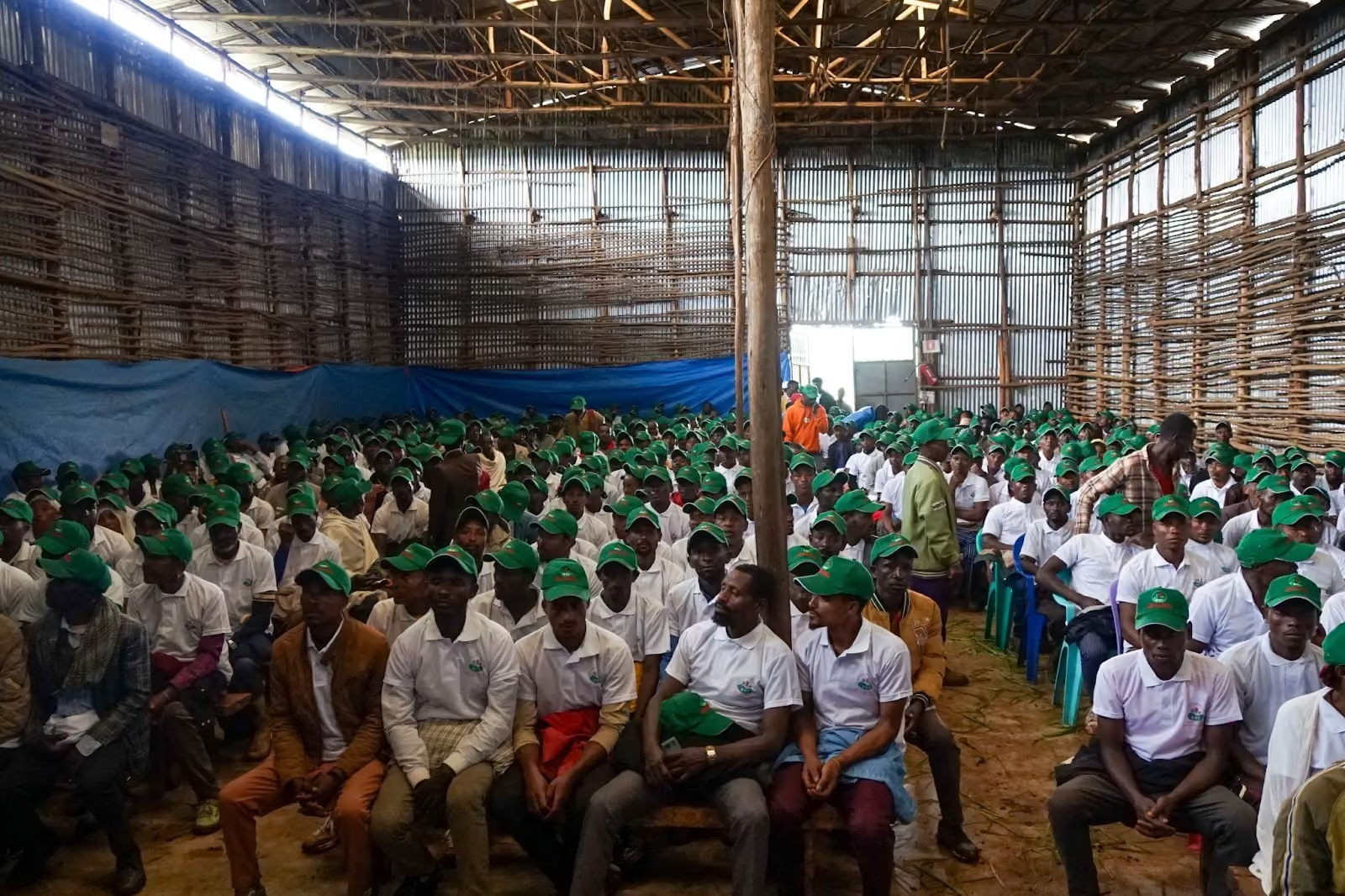
“Production is high in the West [Ethiopia], but finance is tight.” Tofik Jihad - Kata Muduga.
One of the clearest splits in the interviews was regional. In the South, several interviewees describe tighter volume and stronger competition for specialty cherries. Mammo underlines one structural constraint:
“Yirgacheffe is a pocket area, there’s no chance of expansion.” Takele Mammo - Konga Trading PLC.
In that context, when cherry prices rise, the pressure shows up quickly, and it can also affect washed availability, where fewer fresh cherries reach washing stations.
In the West, the story is more about execution than volume. Even when coffee is available, buying and preparation can slow down if cash flow is constrained at today’s cherry prices.
Timing also looks a bit less “early-season” than usual in some channels. Tofik puts it simply:
“More February–March shipments this year [instead of January].” Tofik Jihad - Kata Muduga.
The practical takeaway is not that coffee won’t move: it’s that shipment windows can shift, and roasters should plan with a bit more buffer where lots are still being bought and prepared.
4. Processing mix and quality
The biggest processing shift described in the interviews is tied to behaviour, not preference. Where more cherry is dried at home, more coffee moves into naturals, and less fresh cherry reaches washing stations for washed coffee. Bekere flags what that can mean for availability:
“There may be a big shortage of washed coffee… naturals may become surplus.” Fitsum Bekere - Sweet Plus Trading.
In some networks, that shift is being made intentionally. Mebrahtu Aynalem from Boledu Coffee describes adjusting his washed share this season, moving from around 40–45% washed to closer to 20% washed in his planning. The reason he points to is practical: buying enough fresh cherry for washed processing requires more cash upfront at today’s cherry prices.
On quality, the tone across interviews is generally constructive, with caveats around preparation. Tofik’s view from the West is clear:
“Better than last year, the weather is helping.” Tofik Jihad - Kata Muduga.
Mammo also links drying conditions to stability:
“We didn’t have excess rain… it won’t affect shipments.” Takele Mammo - Konga Trading.
Beyene summarises the approach in his network as:
“Quality over quantity.” Nigat Seyoum Beyene - Dimtu Coffee.
The main watch-out for roasters is consistency, especially where naturals are prepared through many small home-drying processes rather than within one station system. That does not mean naturals will be poor, it means roasters should be clearer on preparation: drying method, lot separation, and sorting standards.
5. Roasters’ playbook
- Decide your processing direction early (washed vs natural). If you know you need washed profiles, communicate that upfront, washed availability can tighten in some channels when less fresh cherry reaches washing stations.
- Contract with clean, concrete specs (and put them in writing). Be clear on process (washed/natural), grade, certification, target shipment month, and the profile you’re aiming for. If you’re flexible on one parameter, say so.
- Expect pricing conversations to start higher than last season. Plan your target range early, and decide where you can flex (certification, grade, cup range, lot size) so negotiation stays realistic.
- Avoid “I’ll decide later” buying if you need specific profiles. When replacement costs are high, exporters are less comfortable holding coffee without a clear buyer, so pre-booked / contracted buying becomes more common.
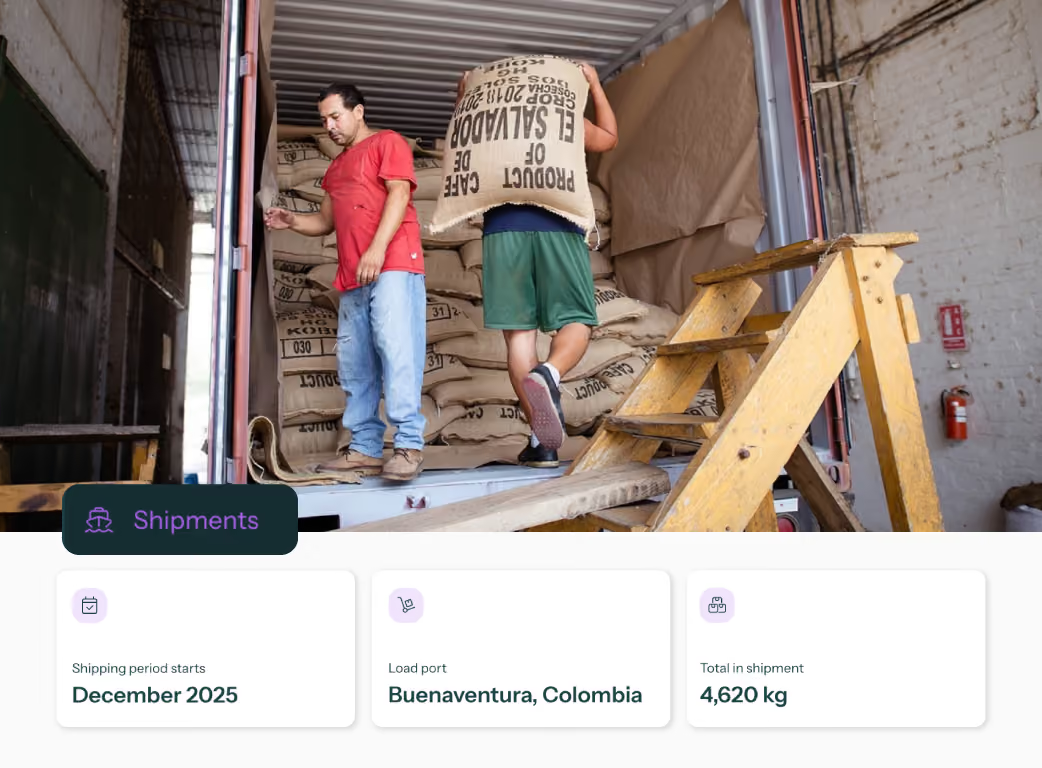
- Build buffer time into logistics. Expect some variability linked to container availability, handling queues, and corridor/port procedures, more information below at Market Context.