Su perfil de productor es la página que abren los tostadores cuando quieren saber quién está detrás del café que acaban de comprar. Un buen perfil les cuenta quién es usted, dónde está, qué cultiva y qué hace diferente a su café. Aquí le contamos cómo escribir el suyo, con ejemplos de productores en Algrano que lo hicieron muy bien.
Su perfil de productor es la página que abren los tostadores cuando quieren saber quién está detrás del café que acaban de comprar. Un buen perfil les cuenta quién es usted, dónde está, qué cultiva y qué hace diferente a su café. Aquí le contamos cómo escribir el suyo, con ejemplos de productores en Algrano que lo hicieron muy bien.
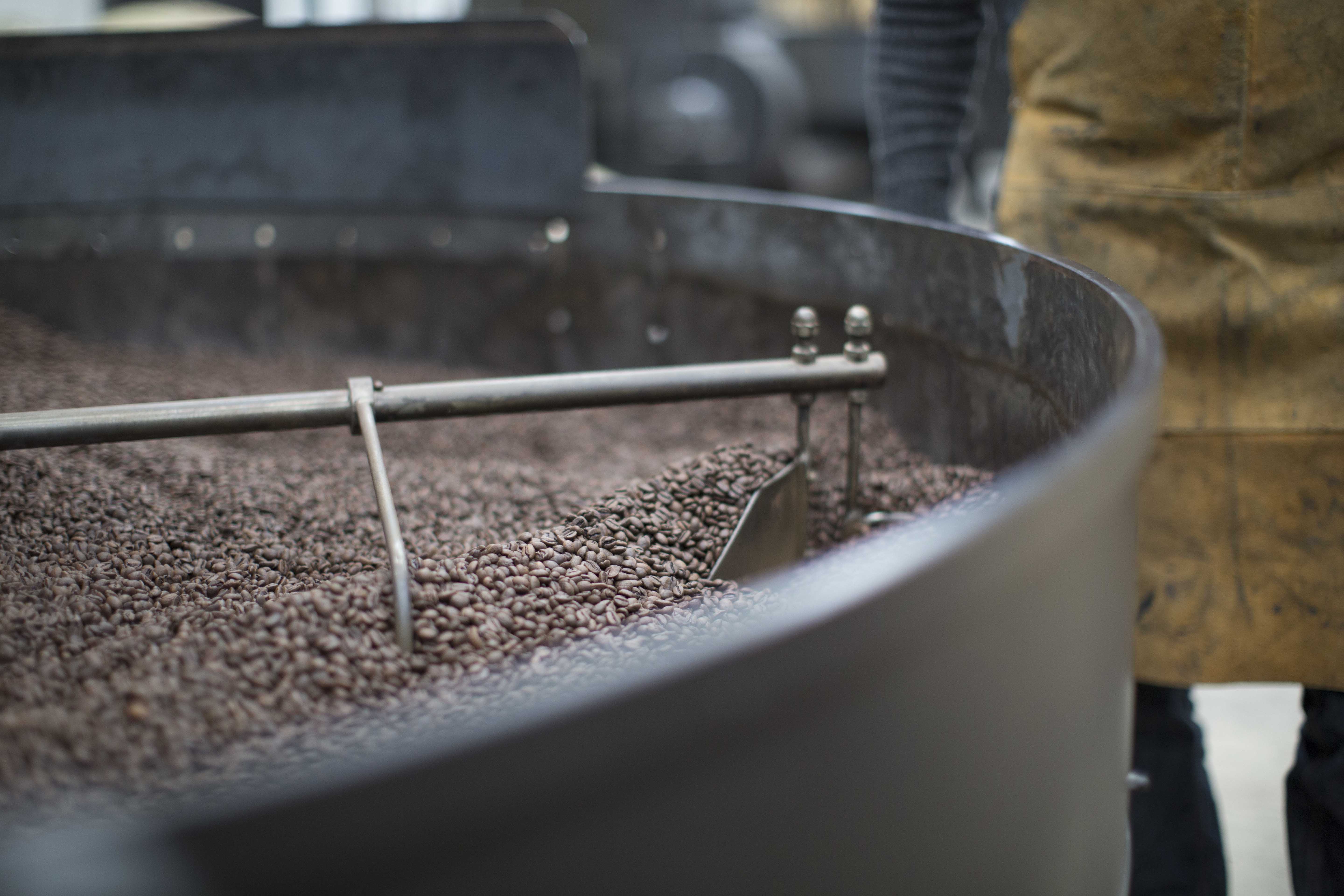
The practical mechanics of how roasters actually build blends, so you can build better ones yourself: why we make them, how to design the recipe, how to combine the components.

More valuable than your profile. More valuable than your photo gallery. Here's how to improve it and stop roasters from scrolling past your coffee.
Su perfil de productor es la página que abren los tostadores cuando quieren saber quién está detrás del café que acaban de comprar. Un buen perfil les cuenta quién es usted, dónde está, qué cultiva y qué hace diferente a su café. Aquí le contamos cómo escribir el suyo, con ejemplos de productores en Algrano que lo hicieron muy bien.
Aunque no existe una fórmula para nombrar cafés especiales, como sí pasa con una COB de ofertas, algunos nombres funcionan mucho mejor que otros. Aquí te contamos cómo equilibrar información con promoción, a la hora de darle nombre a tu café.
Su página web, LinkedIn e Instagram le dicen quién compra, de dónde compran y qué les importa. Esto es lo que debe mirar antes de escribir.
Su costo por vender a los mismos tostadores disminuye después del tercer año, lo que les brinda flexibilidad para recompensarlos. Identifiquen qué tostadores pueden recibir una oferta sin la tarifa de Matchmaking. Ellos obtienen un mejor precio y su FOB se mantiene igual.
The practical mechanics of how roasters actually build blends, so you can build better ones yourself: why we make them, how to design the recipe, how to combine the components.
Use your roast history to plan ahead, discover new coffees, and build stronger sourcing partnerships.
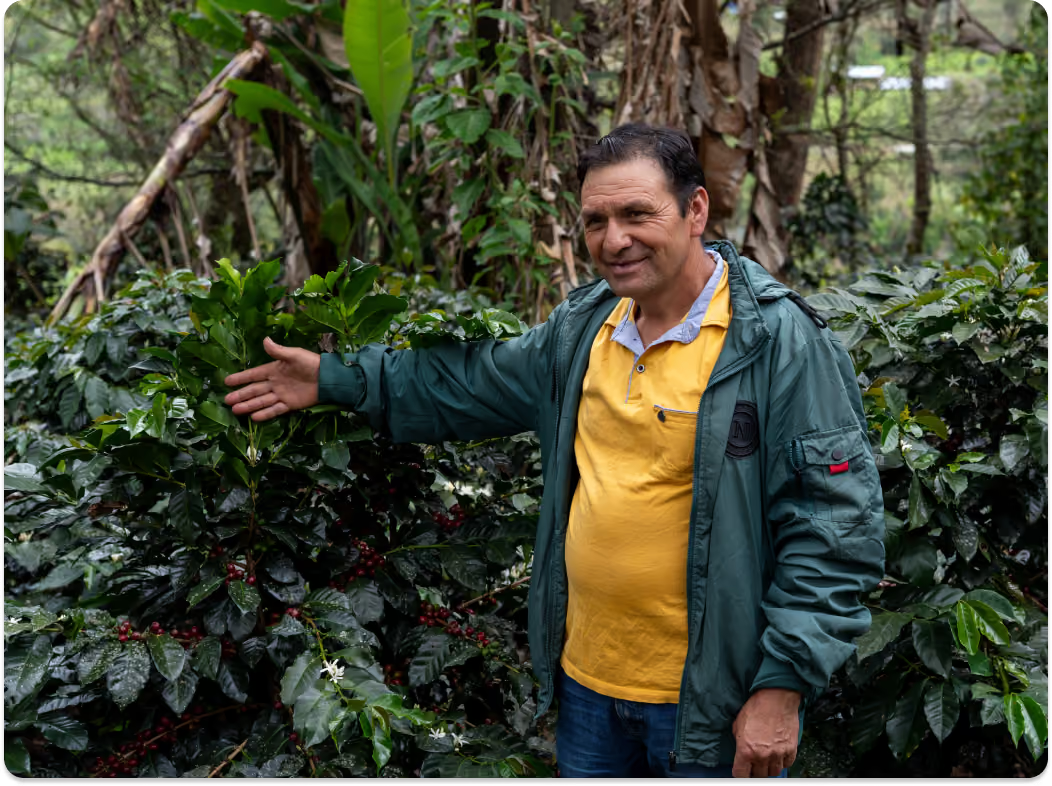
Peru's harvest is later and smaller than usual this year as a result of heavier rain and disease. Direct relationships with producers mean harvest timing and availability are being tracked in real time, so roasters have a clearer picture of what's coming. Here's what's happening and how to plan.
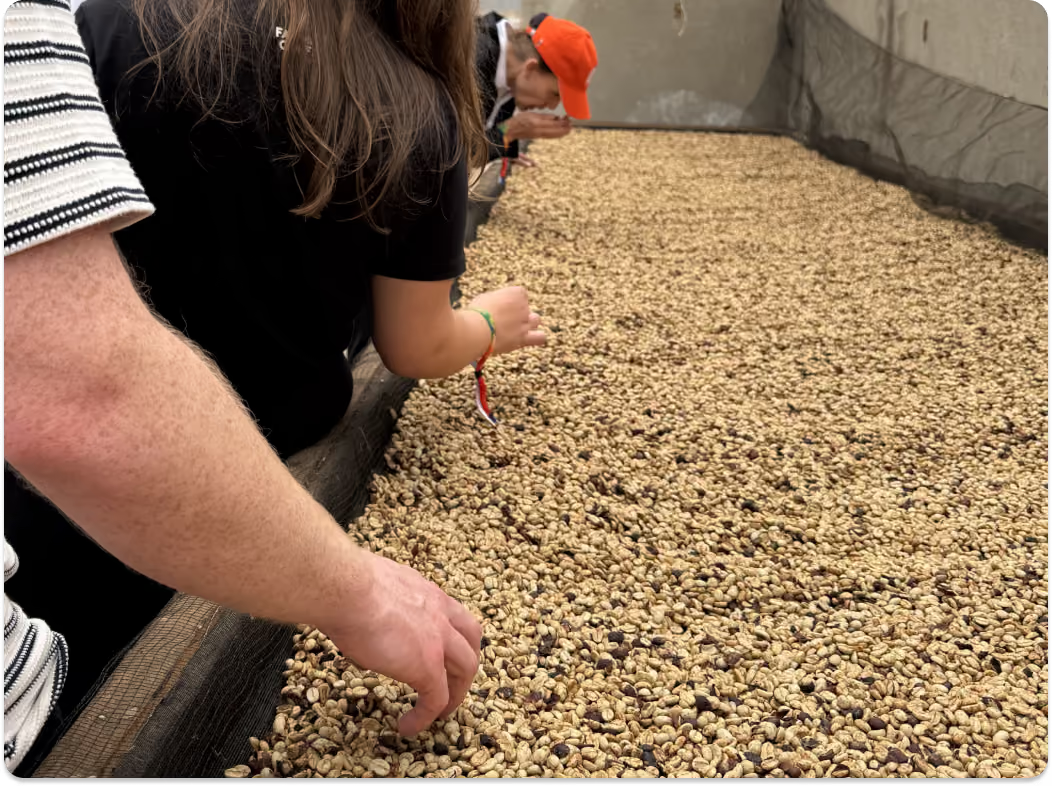
Tariffs paid on green coffee imports are approved for refund. Here's what that means for how and when your money comes back, and next steps.
Recibe información de los líderes del sector, guías de abastecimiento y actualizaciones de la cosecha directamente en tu bandeja
de entrada.

Producers are getting more business and premiums, while new roasters are sourcing more coffee than ever with confidence. Learn about Algrano’s impact, pre-financing, data sharing with producers, and what's beyond relationship coffee.
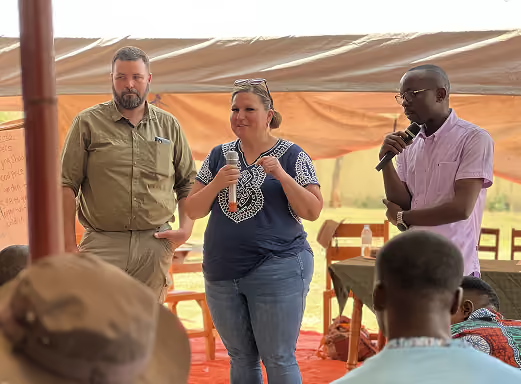

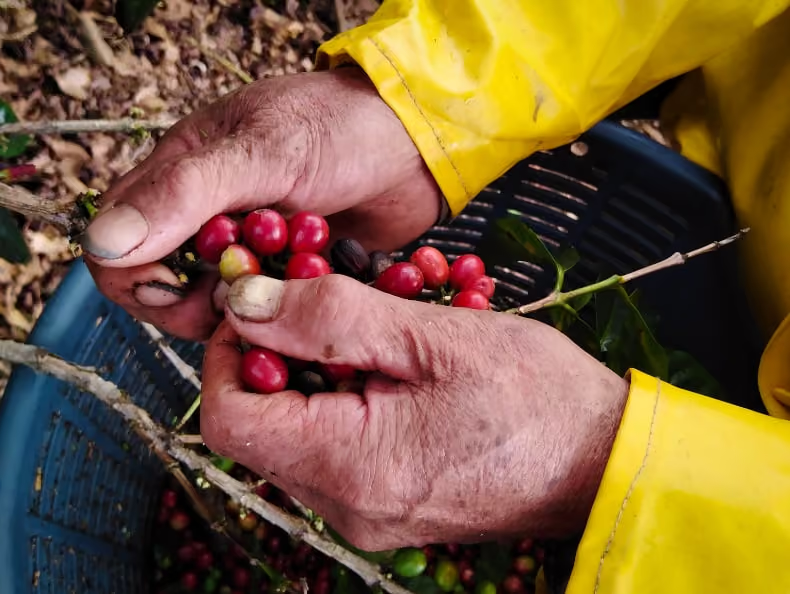
The price of Costa Rican coffee went down due to market pressures. There is a good range of volume lots available for shared or custom shipments. Orders are open until May for August-September delivery.
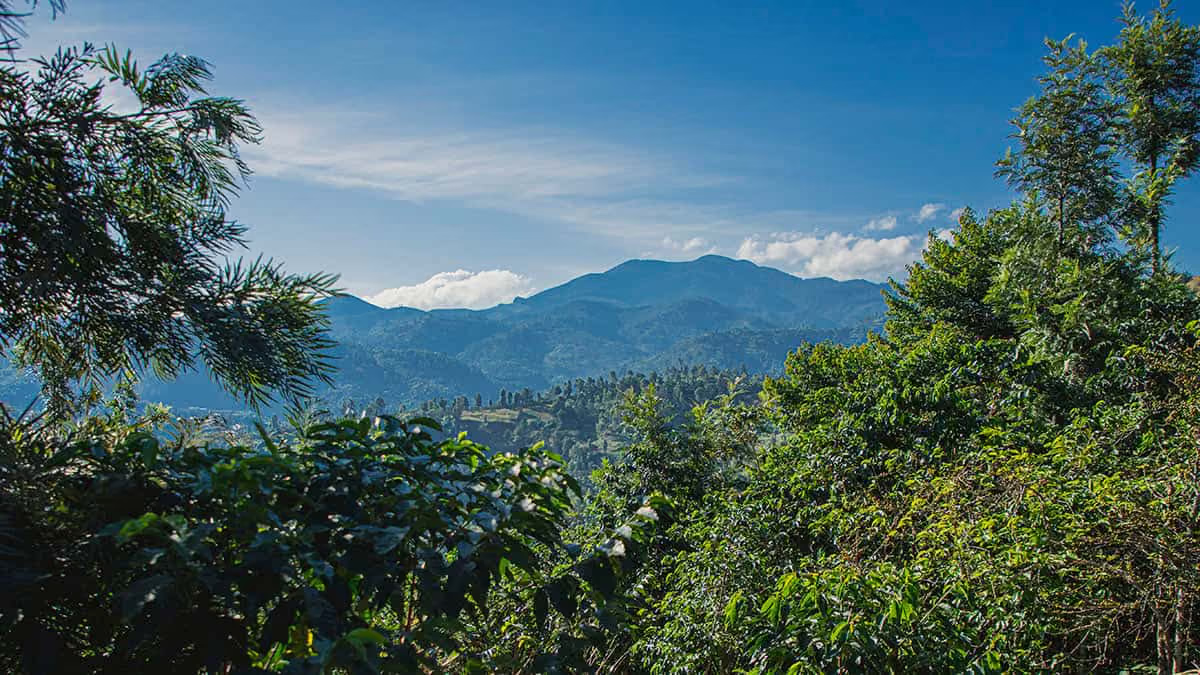
The EUDR is possibly the biggest piece of legislation adopted by a consuming country to affect the coffee sector in decades. It will have wide-ranging consequences for everyone in the supply chain. And the clock is ticking.
In 2008, the world awakened in a financial crisis. Big banks got bigger. Not safer, but bigger. There was consolidation in the financial industry. But consolidation was just the result of a worldwide crisis in which we ended up because of unchecked speculation.
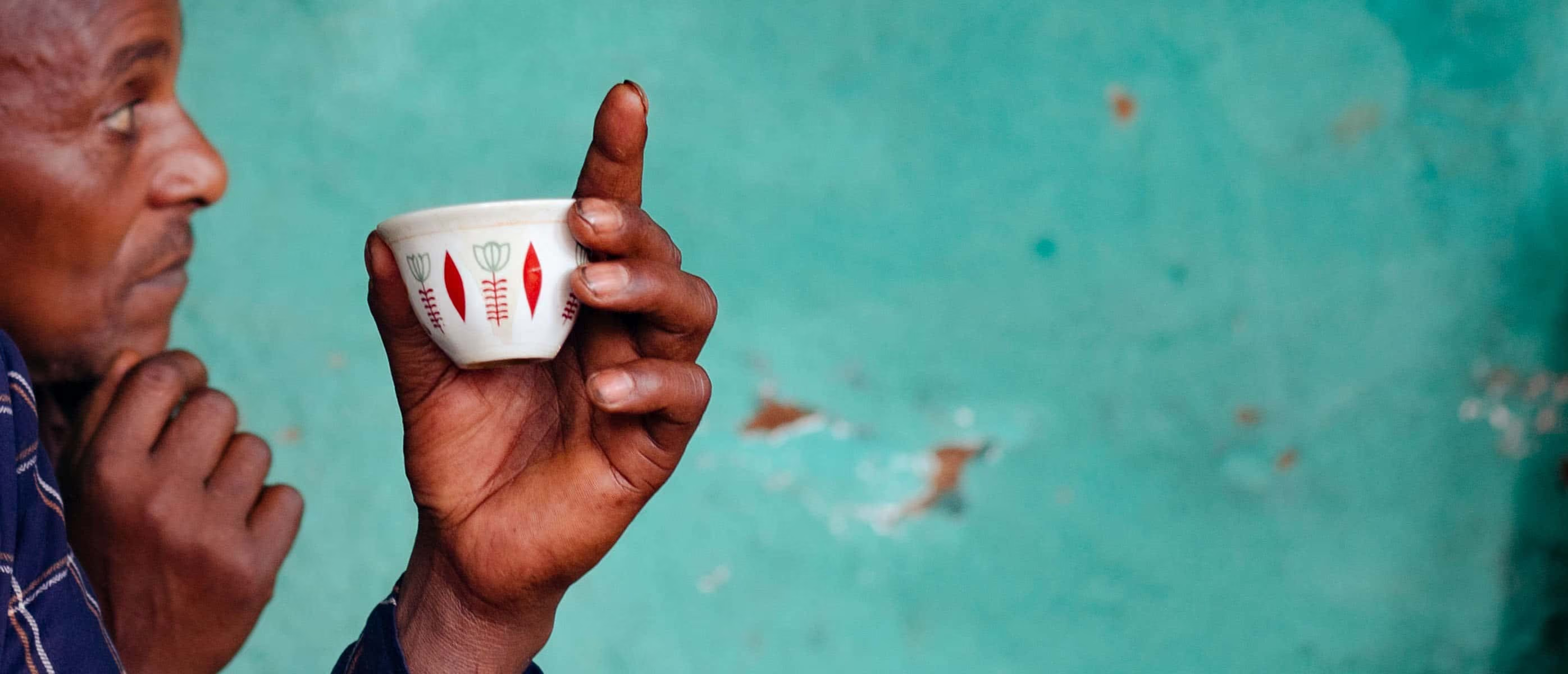
This year, the Minimum Registration Prices were announced in November, before any new crop coffee was ready to export. The measure is an attempt to reassure unhappy green buyers after a season of high prices and subpar quality.
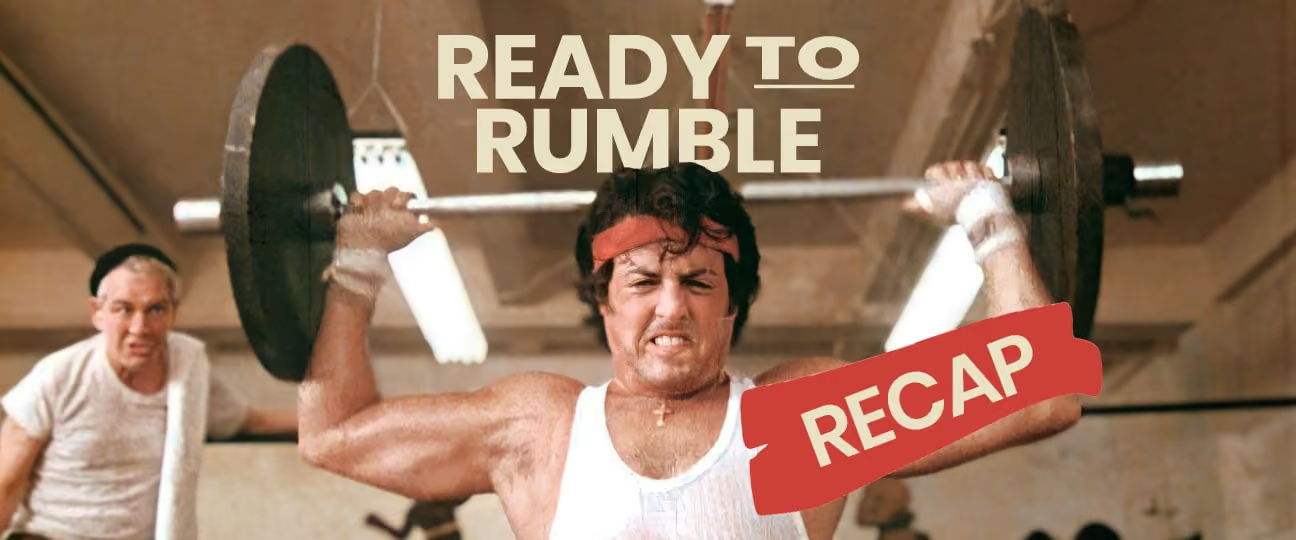
When operational costs go up and consumers have less money to spend, specialty coffee roasters have to be creative. In this blog, we’ll share the takeaways of the Ready to Rumble webinar series with four industry experts in Europe and the USA.
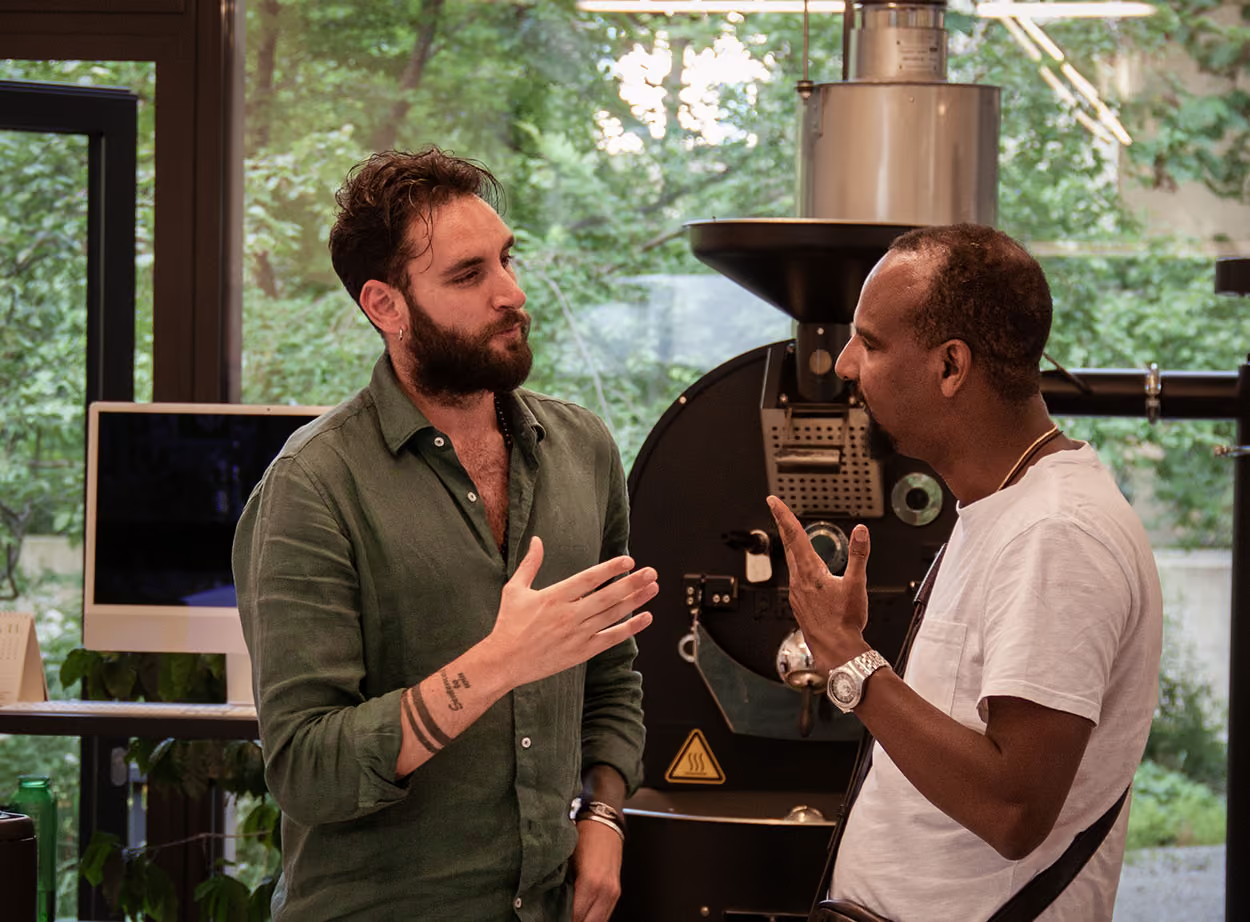
Discover how roasters in Europe and the USA are buying green coffee and how industry leaders are tackling today’s economic challenges. Available in English, Spanish, and Portuguese.

Specialty coffee roasters Dave Stanton of Crankhouse and Joseph Fisher of April Coffee share their approach to roasting and profiles for Colombian coffees. Read about the country's processing history and the versatility of the coffees produced here.

How to choose a roast profile for Ethiopian coffee, adapt the same lot for filter or espresso, and get an even roast with beans of different sizes.

Learn how to roast Ethiopian coffee for filter or espresso, modulate the profile of dense beans and get an even roast with beans of different screen sizes.

The role of Algrano’s quality lab is to represent coffee well on behalf of sellers without inflating scores or writing sales-y flavour descriptions. To get the balance right, QC Manager Jessica Giacetti keeps the evaluation simple and explains her cupping notes in detail to both buyers and sellers.
In this blog, she explains why she likes to exchange profiles with farmers and shares her roast profile for Ethiopian coffee.
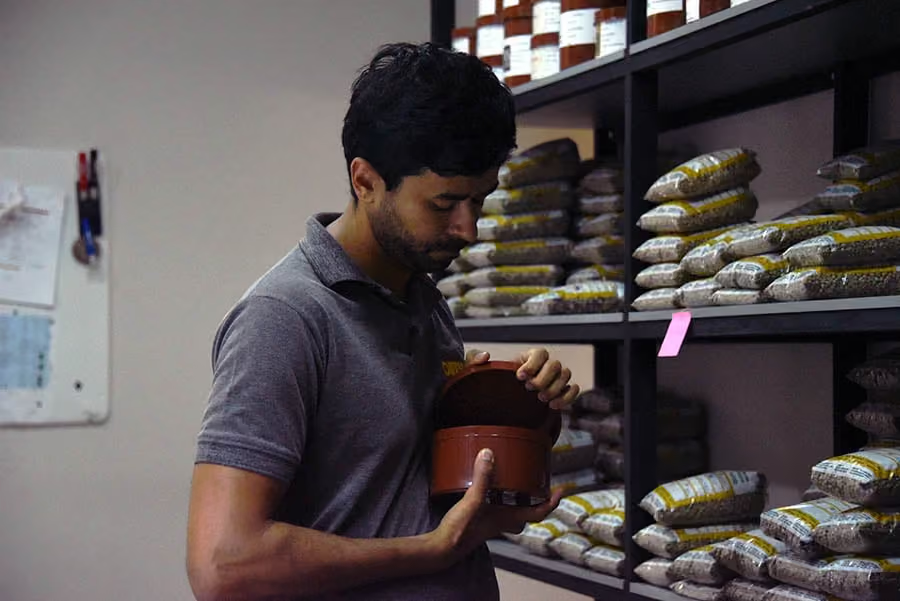
Last week, a friend sent me a link on Instagram. An angry person shared an article from a Kenyan web Apparently, the EU had banned Kenyan coffee, pulling the carpet from under producers’ feet once again.

Deforestation has become a common ground for Peruvian coffee. By promoting the planting of timber trees, cooperatives promote reforestation and facilitate access to smallholder financing in Peru.


