Su perfil de productor es la página que abren los tostadores cuando quieren saber quién está detrás del café que acaban de comprar. Un buen perfil les cuenta quién es usted, dónde está, qué cultiva y qué hace diferente a su café. Aquí le contamos cómo escribir el suyo, con ejemplos de productores en Algrano que lo hicieron muy bien.

Su perfil de productor es la página que abren los tostadores cuando quieren saber quién está detrás del café que acaban de comprar. Un buen perfil les cuenta quién es usted, dónde está, qué cultiva y qué hace diferente a su café. Aquí le contamos cómo escribir el suyo, con ejemplos de productores en Algrano que lo hicieron muy bien.
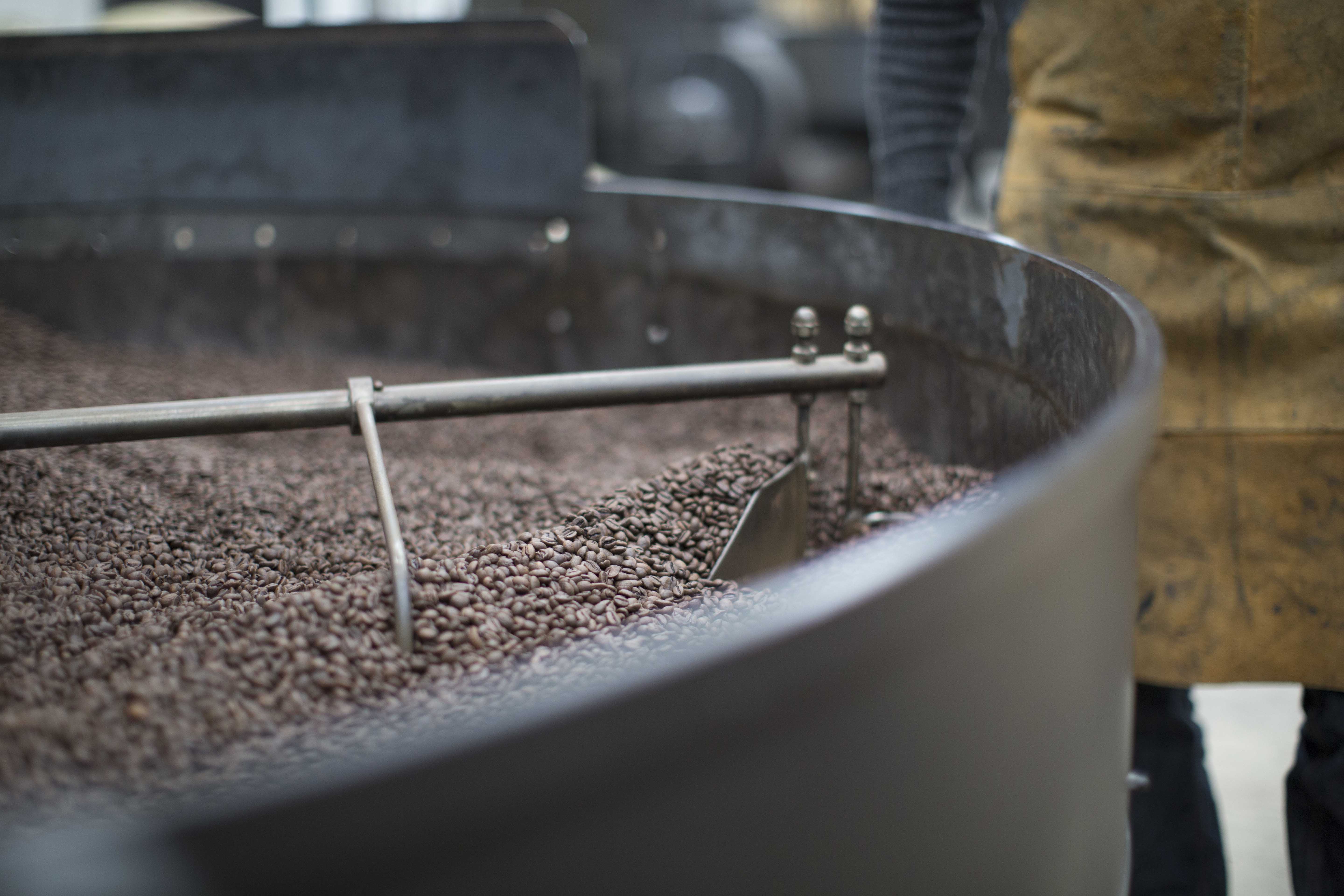
The practical mechanics of how roasters actually build blends, so you can build better ones yourself: why we make them, how to design the recipe, how to combine the components.

More valuable than your profile. More valuable than your photo gallery. Here's how to improve it and stop roasters from scrolling past your coffee.
Su perfil de productor es la página que abren los tostadores cuando quieren saber quién está detrás del café que acaban de comprar. Un buen perfil les cuenta quién es usted, dónde está, qué cultiva y qué hace diferente a su café. Aquí le contamos cómo escribir el suyo, con ejemplos de productores en Algrano que lo hicieron muy bien.
Aunque no existe una fórmula para nombrar cafés especiales, como sí pasa con una COB de ofertas, algunos nombres funcionan mucho mejor que otros. Aquí te contamos cómo equilibrar información con promoción, a la hora de darle nombre a tu café.
Su página web, LinkedIn e Instagram le dicen quién compra, de dónde compran y qué les importa. Esto es lo que debe mirar antes de escribir.
Su costo por vender a los mismos tostadores disminuye después del tercer año, lo que les brinda flexibilidad para recompensarlos. Identifiquen qué tostadores pueden recibir una oferta sin la tarifa de Matchmaking. Ellos obtienen un mejor precio y su FOB se mantiene igual.
The practical mechanics of how roasters actually build blends, so you can build better ones yourself: why we make them, how to design the recipe, how to combine the components.
Use your roast history to plan ahead, discover new coffees, and build stronger sourcing partnerships.
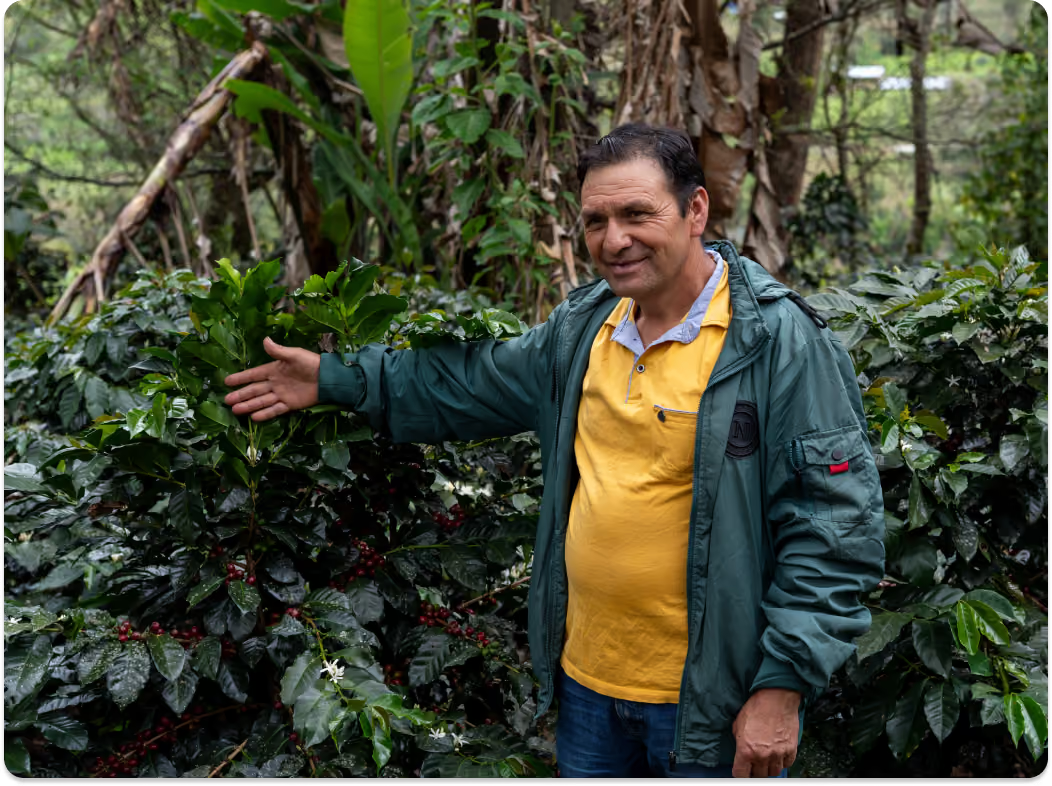
Peru's harvest is later and smaller than usual this year as a result of heavier rain and disease. Direct relationships with producers mean harvest timing and availability are being tracked in real time, so roasters have a clearer picture of what's coming. Here's what's happening and how to plan.
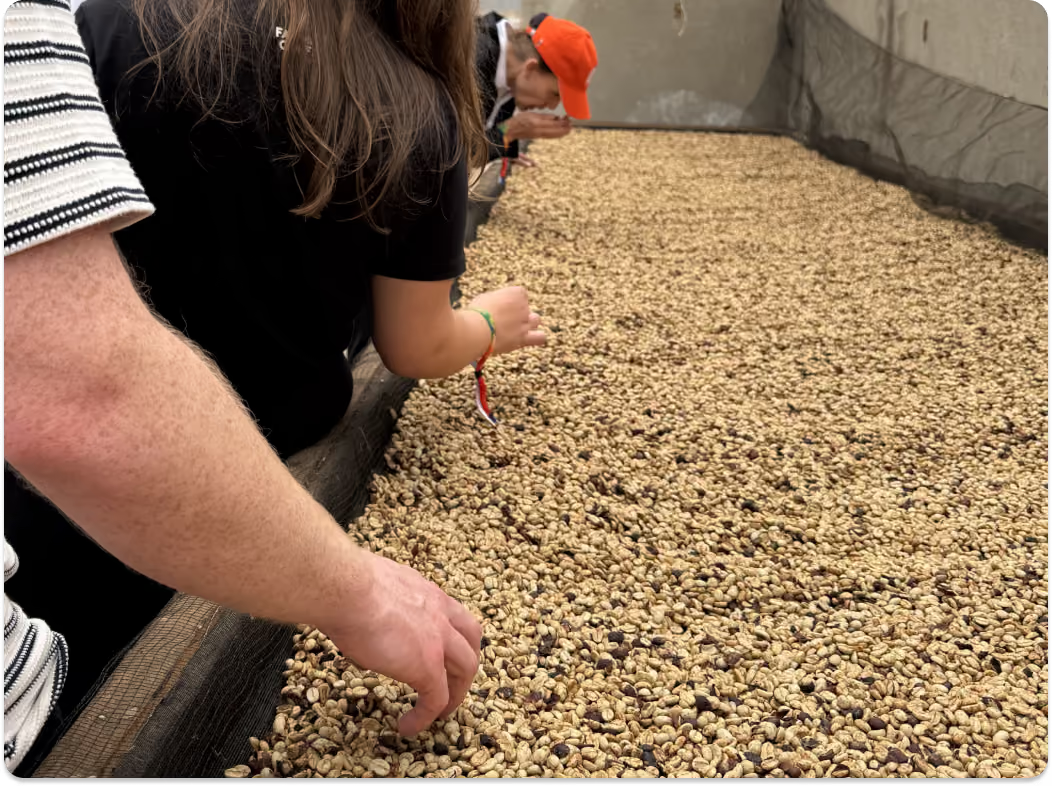
Tariffs paid on green coffee imports are approved for refund. Here's what that means for how and when your money comes back, and next steps.
Recibe información de los líderes del sector, guías de abastecimiento y actualizaciones de la cosecha directamente en tu bandeja
de entrada.

Producers are getting more business and premiums, while new roasters are sourcing more coffee than ever with confidence. Learn about Algrano’s impact, pre-financing, data sharing with producers, and what's beyond relationship coffee.
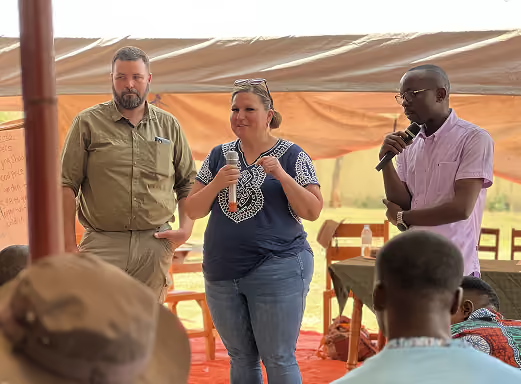

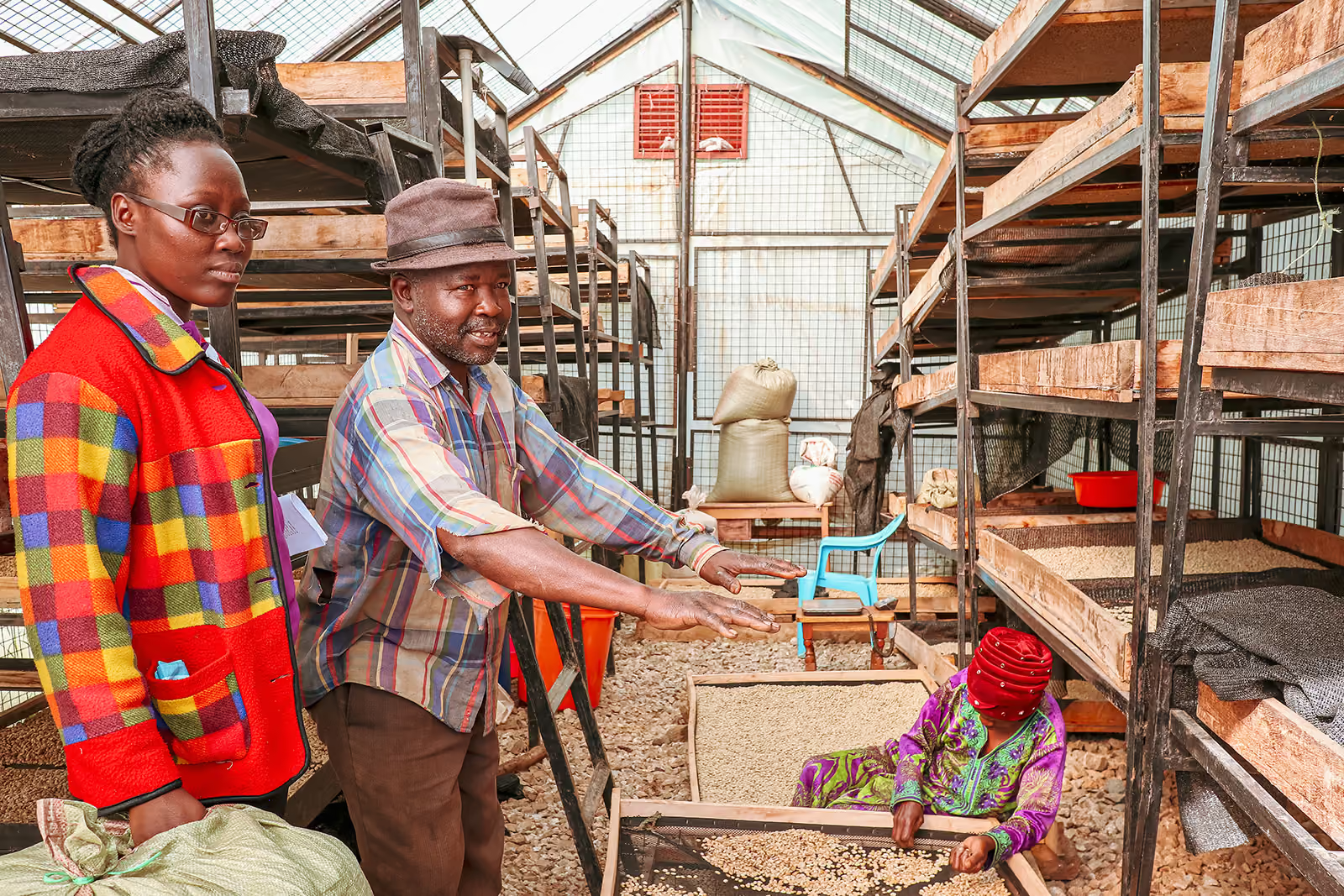
Uganda’s Arabica harvest is here, though volumes are down thanks to unpredictable weather. Local exporters are going head-to-head with big traders, supporting farmers with skills and resources. Learn how Uganda’s pricing dynamics impact sustainable sourcing.
Producers are getting more business and premiums, while new roasters are sourcing more coffee than ever with confidence. Learn about Algrano’s impact, pre-financing, data sharing with producers, and what's beyond relationship coffee.
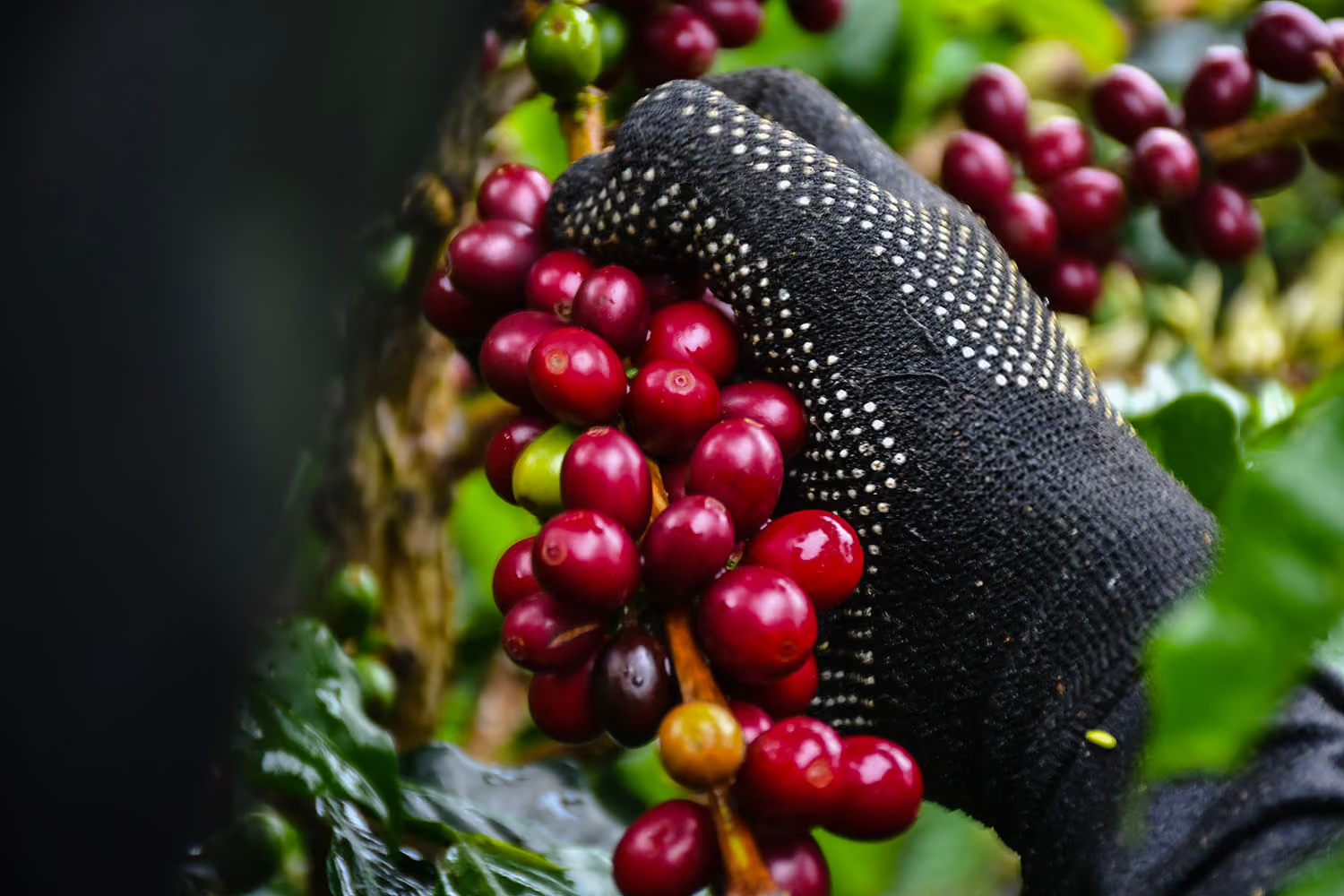
Want to reduce the roastery’s environmental impact? Algrano now calculates the CO2 emissions of each coffee at checkout. Here, you’ll learn where your biggest impact lies, and what options you have to reduce or offset emissions.
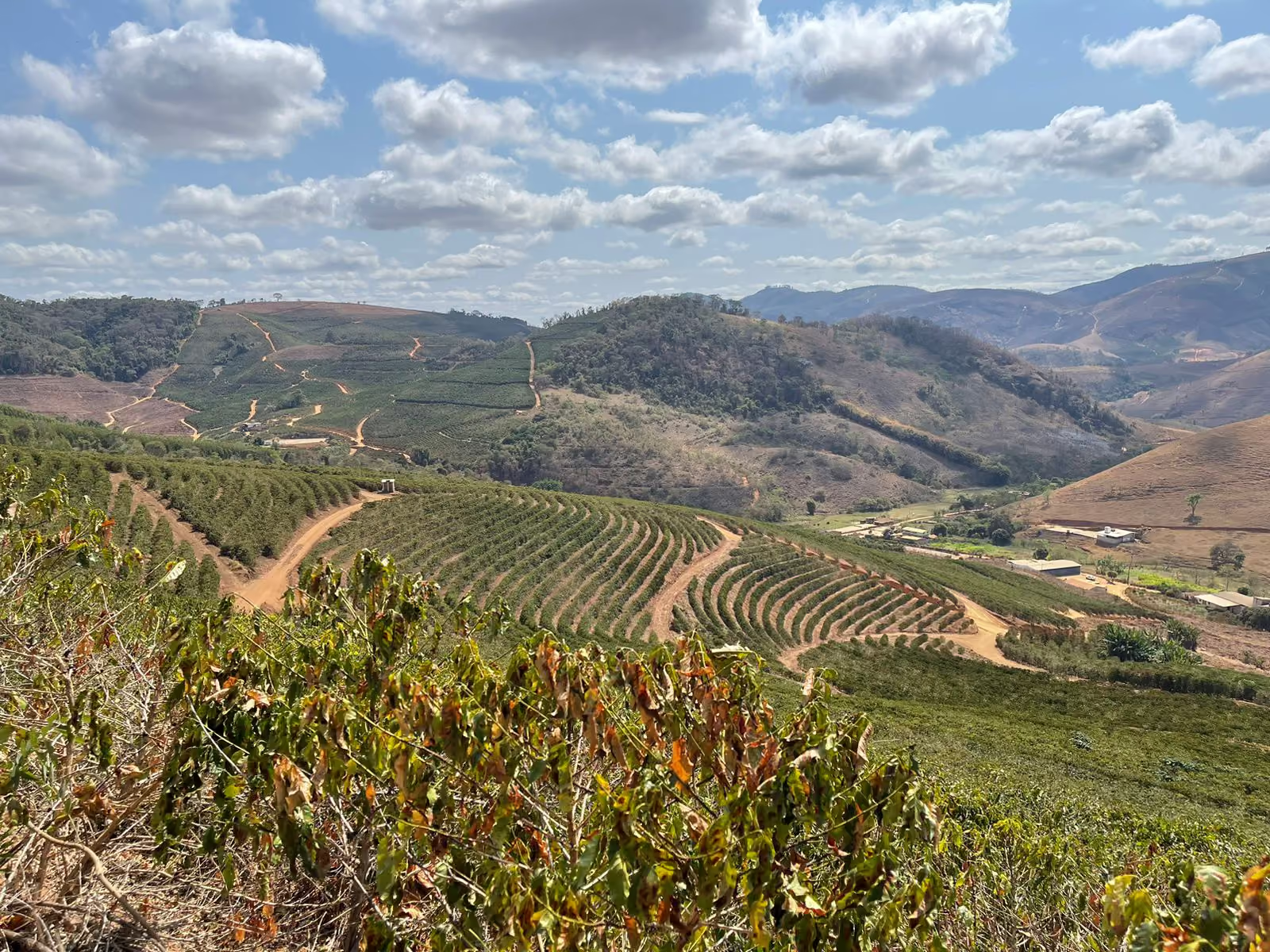
The next few months are going to be key in figuring out if coffee prices stay high and just how tight supply will be. For now, green buyers might need to prepare for more price swings. Waiting it out is getting riskier, so a lot of roasters are already raising their own prices.

Struggling to find a volume coffee from Brazil that fits your budget? You’re not the only one. Learn about how coffee is graded in this origin and discover what options you have to source a good lot at a price that works for you and the producer.

Brazil is producing and exporting a lot of coffee but things are far from smooth. While volumes are good, producers need more cherries to build exportable coffee lots. With crop failures lurking in the forecasts, here’s what green buyers need to know to talk coffee with suppliers.
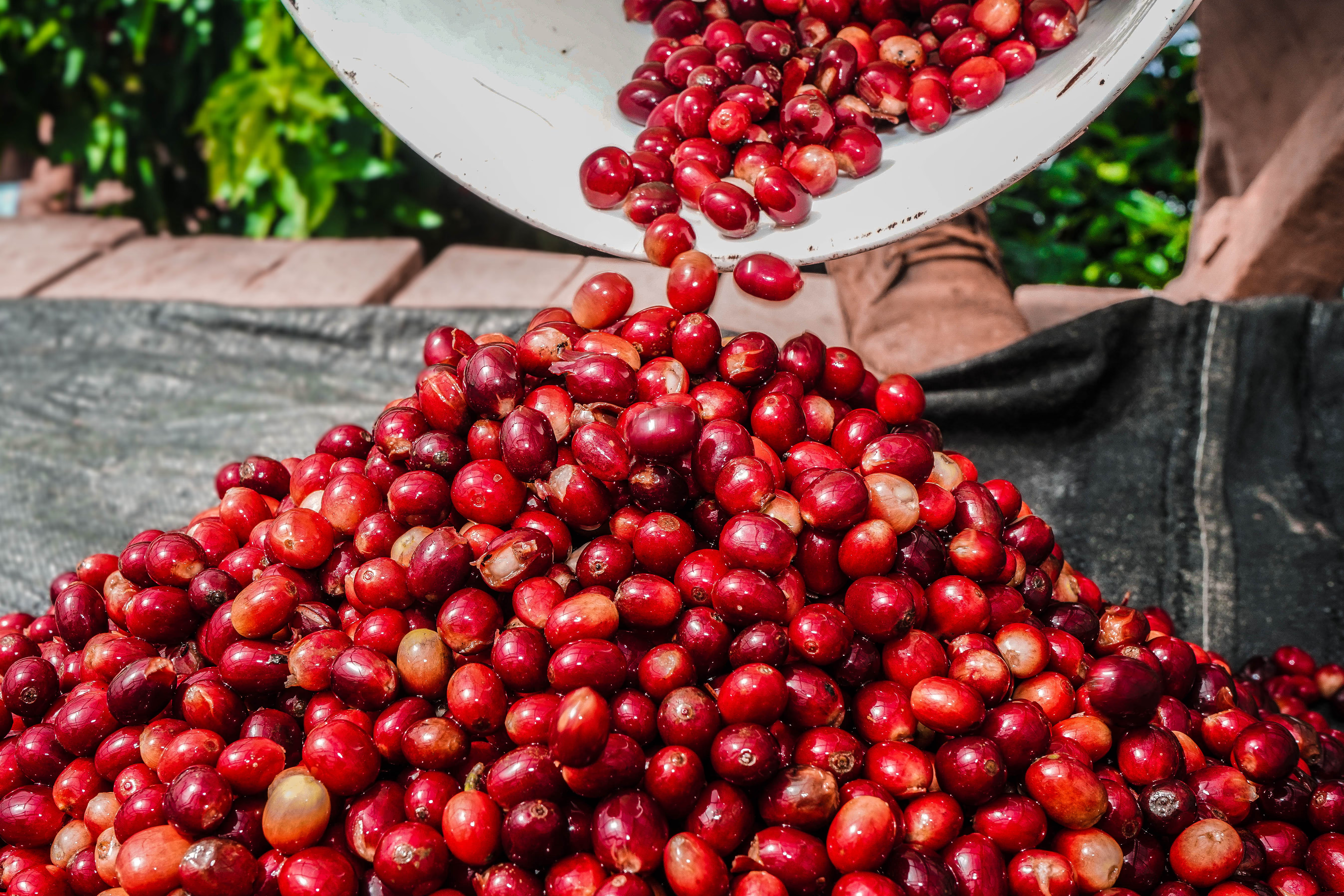
Exporters and cooperatives from Peru are seeing a surge in contracts despite high parchment prices. Leaf rust has led to a short supply of clean cup lots—just when Peruvian coffee became the go-to option to cover shipping delays from Ethiopia. Get the full picture here.
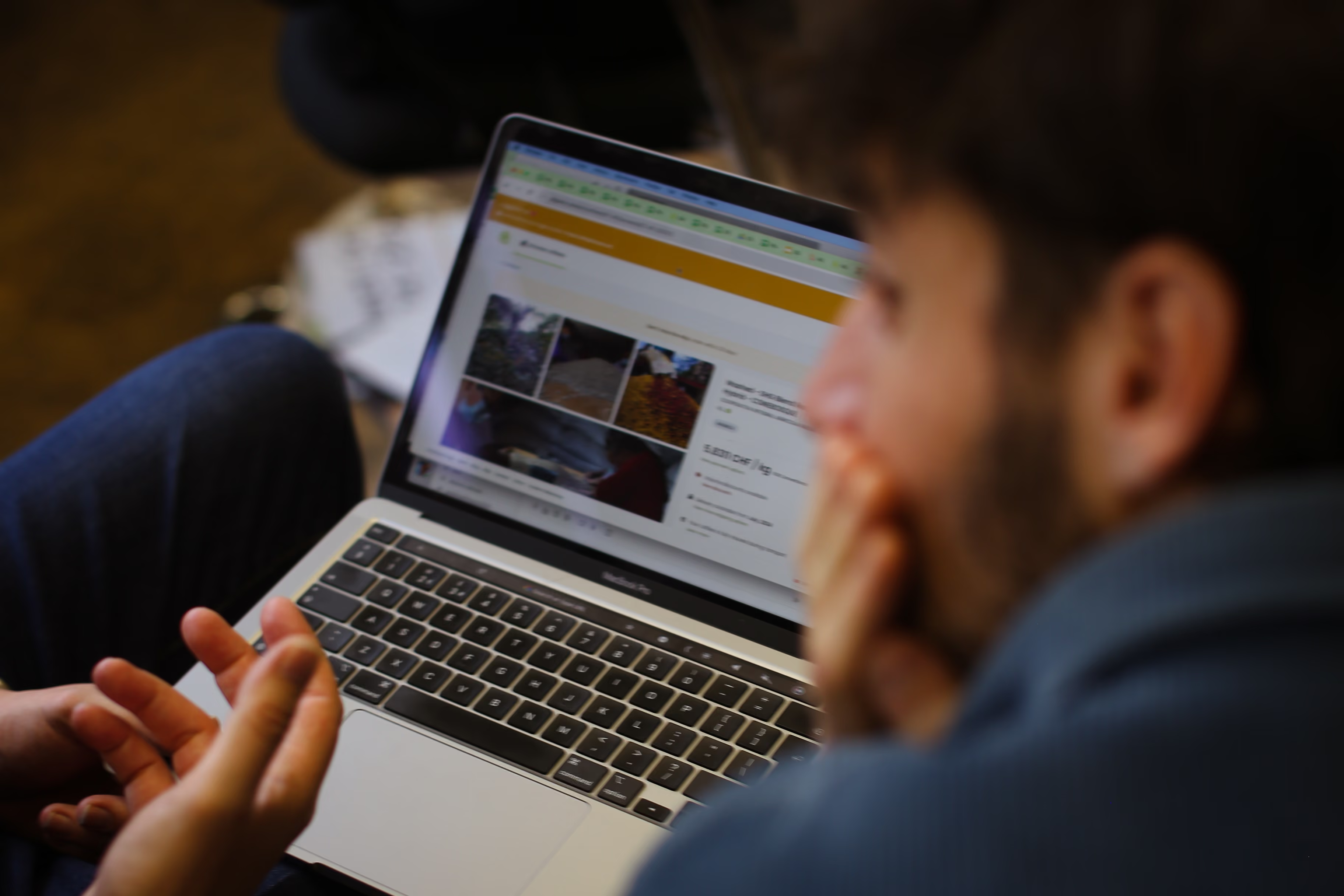
Arabica futures have risen since November 2023, hitting lockdown levels and leaving buyers at a standstill. But origins like Brazil and Peru are in season and waiting might be a bad call. Let’s explore what’s happening in the market and the solutions to help you secure supply.
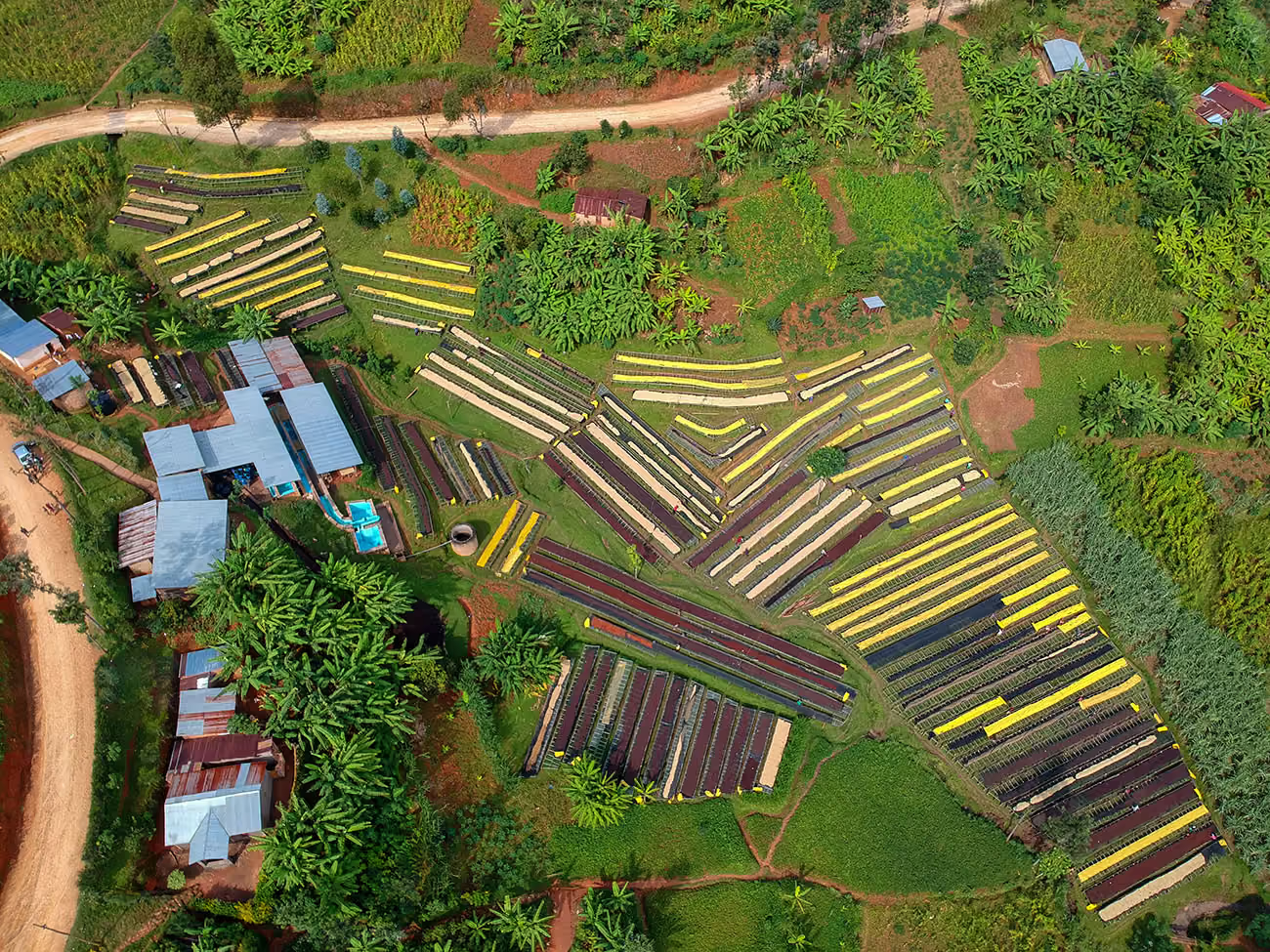
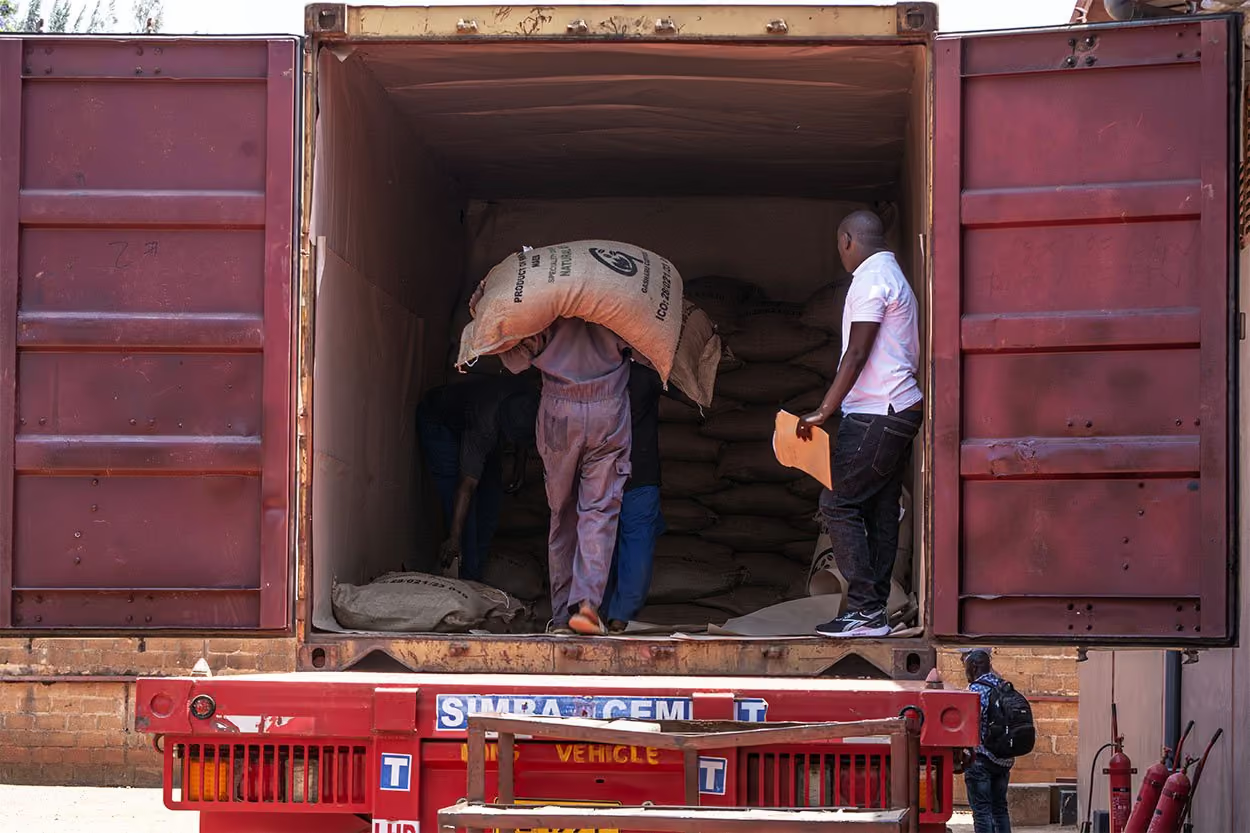
Fresh samples from Rwanda are on the way. They will be available between the end of May and early June, as the country’s harvest moves to its final stage.
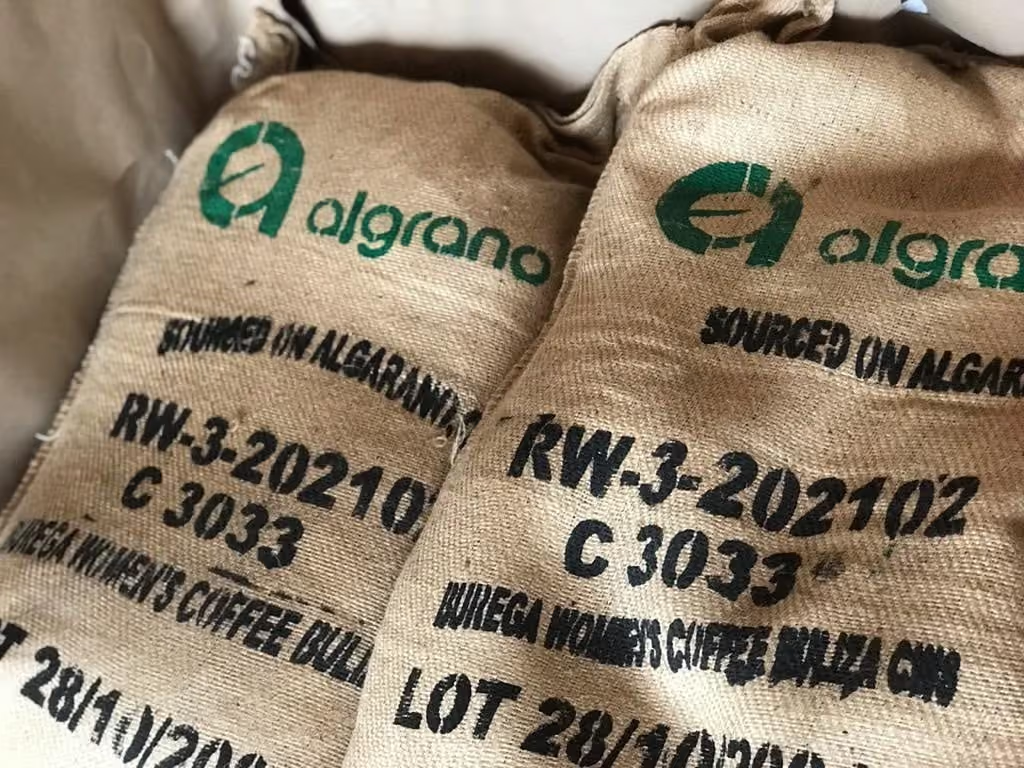
Algrano has verified the first batch of geolocalisation data provided by producers earlier this year. This was an important step in understanding the data quality requirements and potential problems.
Dynamic pricing is important for roasters and producers in volatile market conditions. It prevents inaccurate pricing of standard volume lots and allows producers to keep offers up to date with minimum effort.
FOB is the standard for coffee contracts but it doesn’t tell you how much farmers get paid. Yet, farm gate prices are not always available to begin with. Yes, it’s tricky. We explain why FOB is the norm and how you can use it to make the right sourcing choices.


