Brazil's 2026 harvest is bringing increased volume and renewed access to the US market after trade conditions eased from a difficult 2025. However, heavier than normal rain has pushed the season back from its usual June peak. By leveraging direct relationships, roasters can track these real-time shifts to secure their high-volume blend components efficiently.
.png)
Brazil's 2026 harvest is bringing increased volume and renewed access to the US market after trade conditions eased from a difficult 2025. However, heavier than normal rain has pushed the season back from its usual June peak. By leveraging direct relationships, roasters can track these real-time shifts to secure their high-volume blend components efficiently.
.png)
Peru's harvest is later and smaller than usual this year as a result of heavier rain and disease. Direct relationships with producers mean harvest timing and availability are being tracked in real time, so roasters have a clearer picture of what's coming. Here's what's happening and how to plan.

Cómo Unravel Coffee Merchants usa la infraestructura de Algrano para simplificar el comercio directo y profundizar sus relaciones con los tostadores
Cómo Unravel Coffee Merchants usa la infraestructura de Algrano para simplificar el comercio directo y profundizar sus relaciones con los tostadores

World of Coffee Brussels is one of the few moments in the year when roasters and producers are all in the same room. Algrano's booth is where we make the most of that. This is your guide to everything happening at Booth #11147 on 25–27 June 2026.
.png)
Los productores invierten miles de dólares para asistir a una feria comercial y muchos regresan solo con un montón de tarjetas de presentación. Conoce los tips de nuestro equipo para convertir una charla rápida en una verdadera oportunidad de venta.
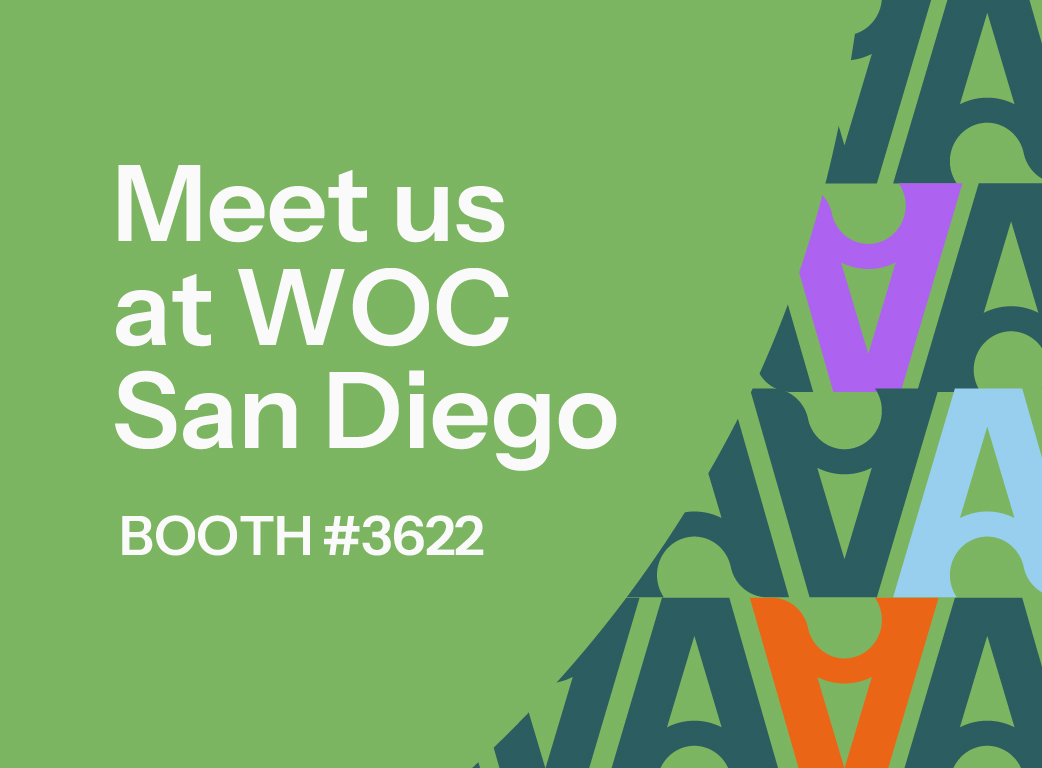
Conecta con tostadores, vende tu café y conoce más sobre el programa Grower Capital en World of Coffee San Diego 2026. Entérate de todo lo que va a pasar en el Stand #3622.
Peru's harvest is later and smaller than usual this year as a result of heavier rain and disease. Direct relationships with producers mean harvest timing and availability are being tracked in real time, so roasters have a clearer picture of what's coming. Here's what's happening and how to plan.
.png)
Tariffs paid on green coffee imports are approved for refund. Here's what that means for how and when your money comes back, and next steps.
Fresh from World of Coffee Brussels 2026, we sat down with roasters and producers from Brazil and Peru to get a clear read on this year's harvests. Here's what we learned about both origins and what it means for your sourcing plans.
World of Coffee Brussels is one of the few moments in the year when roasters and producers are all in the same room. Algrano's booth is where we make the most of that. This is your guide to everything happening at Booth #11147 on 25–27 June 2026.
Recibe información de los líderes del sector, guías de abastecimiento y actualizaciones de la cosecha directamente en tu bandeja
de entrada.

Producers are getting more business and premiums, while new roasters are sourcing more coffee than ever with confidence. Learn about Algrano’s impact, pre-financing, data sharing with producers, and what's beyond relationship coffee.
%201.png)


We’re optimistic about logistics and quality, but demand will be strong for the second year in a row and the harvest is already wrapping up. Here’s what you need to know to plan ahead. And: what are the new laws that will transform the coffee sector next season.

Honduras is already exporting more coffee than last year. Production may be down slightly, but there’s no talk of shortages. However, roasters should pay close attention to whom they source from. Let’s unpack the Honduran financing landscape and its wave of effects across the sector.

Uganda’s Arabica harvest is here, though volumes are down thanks to unpredictable weather. Local exporters are going head-to-head with big traders, supporting farmers with skills and resources. Learn how Uganda’s pricing dynamics impact sustainable sourcing.
Producers are getting more business and premiums, while new roasters are sourcing more coffee than ever with confidence. Learn about Algrano’s impact, pre-financing, data sharing with producers, and what's beyond relationship coffee.

Want to reduce the roastery’s environmental impact? Algrano now calculates the CO2 emissions of each coffee at checkout. Here, you’ll learn where your biggest impact lies, and what options you have to reduce or offset emissions.

The next few months are going to be key in figuring out if coffee prices stay high and just how tight supply will be. For now, green buyers might need to prepare for more price swings. Waiting it out is getting riskier, so a lot of roasters are already raising their own prices.

Struggling to find a volume coffee from Brazil that fits your budget? You’re not the only one. Learn about how coffee is graded in this origin and discover what options you have to source a good lot at a price that works for you and the producer.

Brazil is producing and exporting a lot of coffee but things are far from smooth. While volumes are good, producers need more cherries to build exportable coffee lots. With crop failures lurking in the forecasts, here’s what green buyers need to know to talk coffee with suppliers.

Exporters and cooperatives from Peru are seeing a surge in contracts despite high parchment prices. Leaf rust has led to a short supply of clean cup lots—just when Peruvian coffee became the go-to option to cover shipping delays from Ethiopia. Get the full picture here.

Arabica futures have risen since November 2023, hitting lockdown levels and leaving buyers at a standstill. But origins like Brazil and Peru are in season and waiting might be a bad call. Let’s explore what’s happening in the market and the solutions to help you secure supply.

Fresh samples from Rwanda are on the way. They will be available between the end of May and early June, as the country’s harvest moves to its final stage.

Algrano has verified the first batch of geolocalisation data provided by producers earlier this year. This was an important step in understanding the data quality requirements and potential problems.


