Fresh from World of Coffee Brussels 2026, we sat down with roasters and producers from Brazil and Peru to get a clear read on this year's harvests. Here's what we learned about both origins and what it means for your sourcing plans.
Brazil is heading into a strong 2026 season. Volume is up roughly 10-15% on last year, with solid quality across the board.
The one thing worth planning around is timing. Brazilian producers work differently from most origins: rather than picking continuously, they wait until the highest share of cherries is perfectly ripe, then harvest everything at once. This year, unseasonal late rains pushed that moment back slightly. It's a timing shift, not a quality concern.
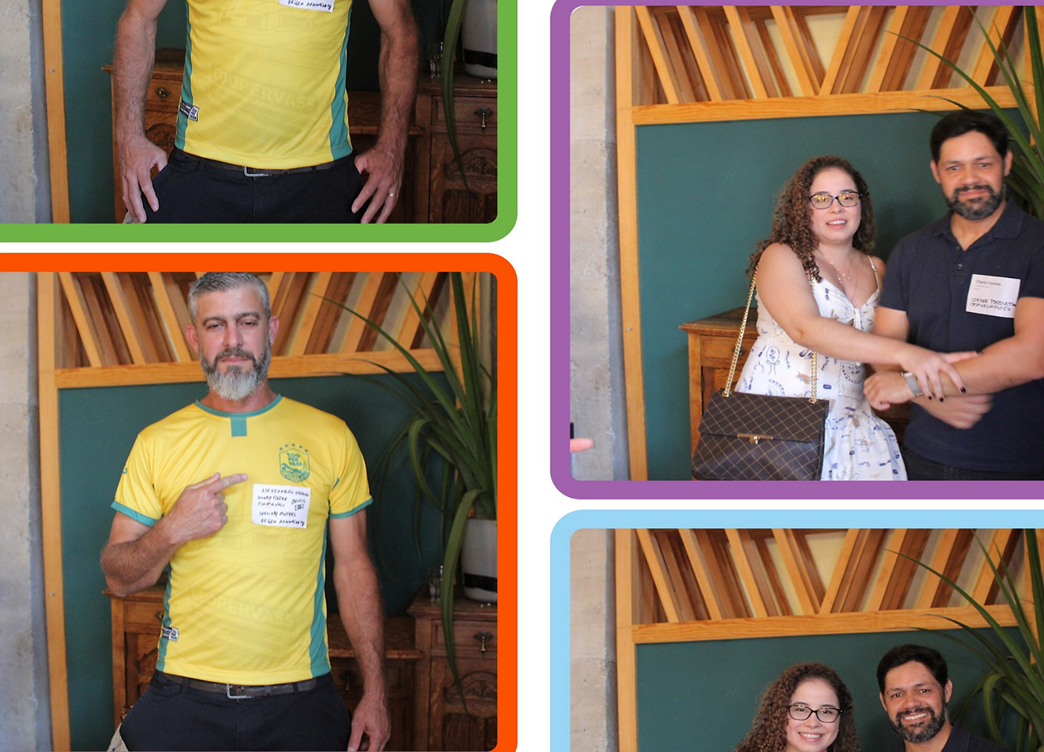
Brazilian producers with roasters and the Algrano team at World of Coffee Brussels 2026. Analog camera.
What's on offer this season:
Microlots and single farm coffees
New producers joining the lineup alongside established ones
Volume and blending options
Certified Fairtrade, Organic, and Rainforest Alliance coffees
Most samples will be available from mid-August, though a number of producers will be ready earlier. With more volume and variety on offer this year, it's worth getting your needs in early.
Peru's 2026 harvest is also running later than usual, with total volume down. Producers selling through Algrano are reporting roughly 30–40% less than last year.
Two factors are driving it:
Heavier than normal rain
Disease pressure in parts of the growing regions (anthracnose, known locally as antracnosis).
The season is moving now, though. A wave of producers hit peak harvest in late June and early July, and the first samples and offers are starting to come through, with more producers coming online through the rest of the season.
Lower volume doesn't mean lower quality. Producers are staying focused on the cup, and organic and Fairtrade certification remain the standard across Algrano's Peru portfolio.
With less coffee available this year, offers are likely to move quickly once they're confirmed. Getting clear on your volume and timing needs now will put you in a better position when they do.
Whether you're sourcing from Brazil, Peru, or both, the earlier you know your needs, the more you can get the right lots. Shared shipments are available for orders under 100 bags, with custom shipments available at any time.
FAQ: Peru and Brazil Green Coffee Harvest 2026
What is the outlook for the Brazil 2026 coffee harvest?
Brazil is heading into a strong season with solid quality across lots. Harvest volumes are roughly 10–15% higher than last year. Due to late rains, the harvest is running slightly later than usual. Buyers can expect a wide variety of sourcing options, including micro-lots, volume and blending options, and certified coffees (Fairtrade, Organic, and Rainforest Alliance).
What is the status of the Peru 2026 coffee harvest?
Peru’s 2026 harvest is running later than in recent years, with peak harvesting hit in late June and early July. Overall yield is down significantly, with volume estimated at 30–40% lower than last year. This shortfall is primarily driven by unusually heavy rains—which have affected both crop development and the drying process—alongside increased disease pressure from anthracnose. Despite lower quantities, maintaining quality remains the priority.
What is anthracnose, and how does it affect coffee quality?
Anthracnose (antracnosis) is a fungal disease associated with Colletotrichum species that thrives in wet, humid conditions, affecting coffee cherries, leaves, and branches.
Important Distinction: In Peru, the term antracnosis refers to standard anthracnose fungal symptoms and should not be confused with the more severe African Coffee Berry Disease (Colletotrichum kahawae).
Quality Management: A report of anthracnose does not automatically mean a lot is unsuitable. Quality risk is actively controlled through careful harvest selection (picking only ripe, healthy cherries), floating, visual sorting, and physical and cupping approvals prior to shipment.
When will coffee offers and samples from Peru become available?
Because the harvest is delayed, sample and offer availability follows a staggered timeline across the season:
July: Initial offers and select early sample stocks began opening.
August: The main window for general lot offers and bulk sample arrivals.
September: The wave for specialty microlot offers and microlot samples.
What actions should green coffee buyers take right now?
For Brazil: Review menu requirements and adjust inventory planning now. Most sample sets will become available from mid-August.
For Peru: Finalize volume and timing needs immediately before main offers go live. Because total yield is down sharply across the region, high-quality offers will move fast, making early action essential.
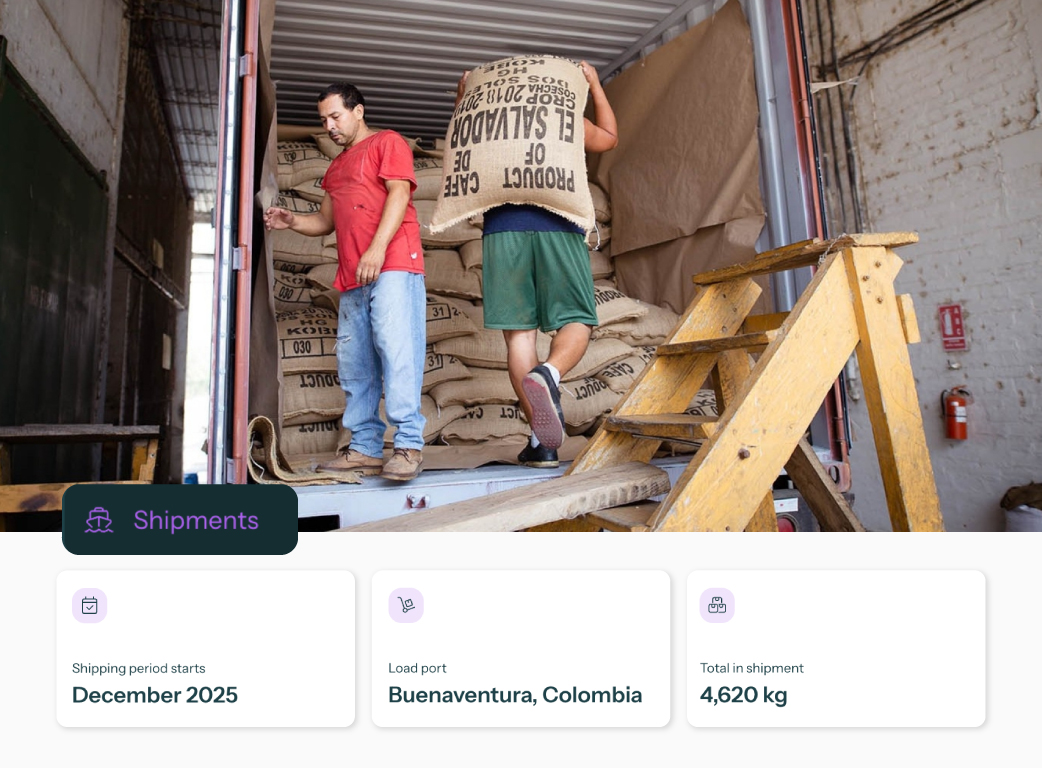
Acompanhe seus embarques de forma fácil em sua na sua conta da Algrano. Lá você vê os contratos que vão no contêiner, as datas de embarque, o porto de saída e os contatos do exportador responsável.
Nico Herr, da Mountain Harvest, compartilha sua experiência de vendas para torrefações junto a uma de suas clientes, Luci Ramirez da Humboldt Bay Coffee. As duas mostram, na prática, o que é preciso para fazer um pitch de café e começar relacionamentos duradouros.

.png)